
“Kamran has provided a few services at Casa del Sol - bed bugs, ants and wasps. He is efficient, and very trustworthy. I appreciate his calm patience and support when managing our various anxieties and phobias.”
August 2026
Carol Rad
Licensed exterminators for Richmond homes, City Centre towers, warehouses and food premises. We inspect the drainage lines and entry points before we treat anything, and every job carries the 100-Day Pest-Free Guarantee.
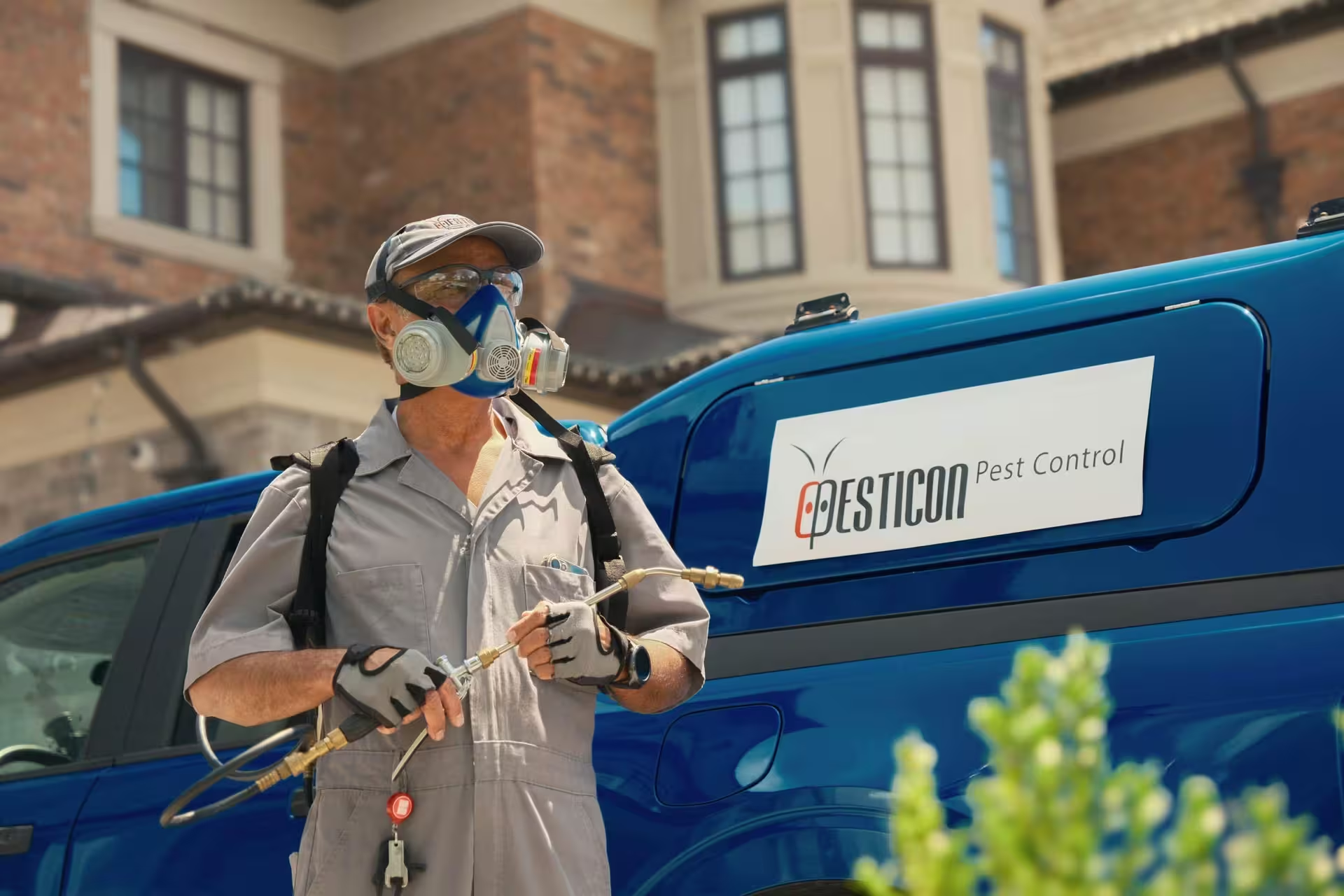





Nine services, one team, one guarantee. Each one is handled by the same licensed technicians, and each starts with an inspection rather than a spray.
Rats reach most Richmond properties from below rather than across. They move along the storm lines, ditches and canals that drain the city, which is why activity often shows up at a house with no obvious runway from a neighbouring yard.
They get in at service penetrations — the sanitary line, the water service, the gas entry — and at gaps where a slab meets a wall. Mice need a gap the width of a pencil, and on slab-on-grade construction those gaps sit at ground level, so entry turns up at garage thresholds, dryer vents and utility penetrations rather than at the roofline. Damp crawlspaces give them somewhere to sit out the winter once they are in.
Rodent control in Richmond works in that order: inspect the drainage and the penetrations, treat what is active, then close the route in. Trapping without exclusion clears the animals you have and leaves the door open for the next ones. For the health side, including safe cleanup, see HealthLinkBC on rats and mice.

Richmond has one of the densest restaurant and food-processing concentrations in the province, and that shapes the problem for residents as much as for businesses. German cockroaches move between neighbouring units in a plaza or an apartment block far more readily than between detached homes, travelling shared walls, plumbing chases and service voids.
Treating one kitchen while the unit next door goes untreated is the single most common reason an infestation returns. A cockroach exterminator in Richmond should be inspecting the shared routes before treating anything, and in a multi-unit building telling the strata or property manager which units need access.

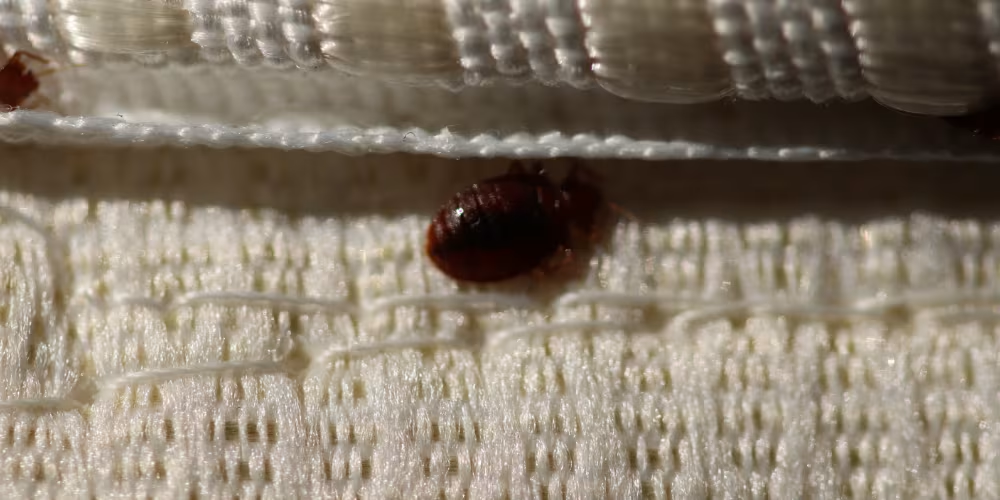
They arrive in luggage and second-hand furniture, then hide in mattress seams, headboards and baseboards. Store-bought sprays usually scatter them further through the home rather than resolving anything.
In a condo or apartment they travel wall voids into adjoining units, so bed bug treatment in Richmond towers is rarely a single-unit job. We inspect the neighbouring units before we scope the work.
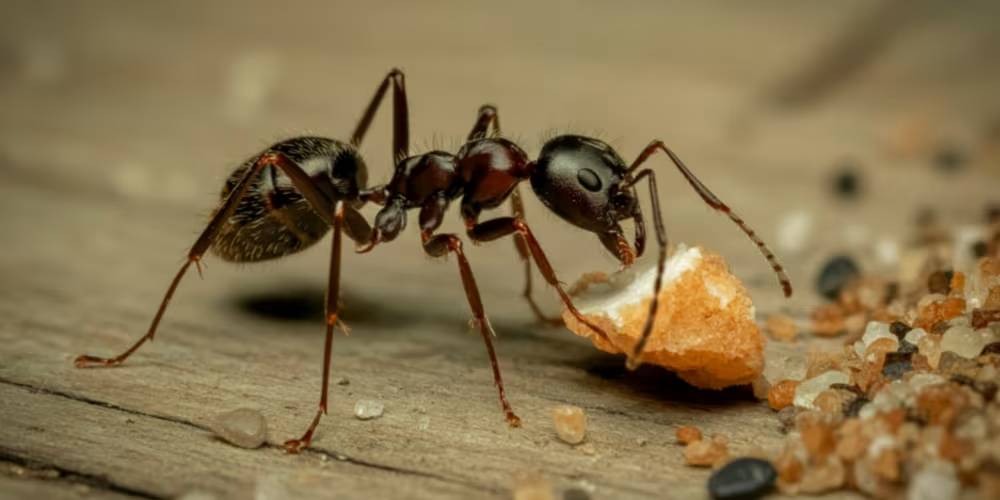
Carpenter ants hollow out damp structural wood rather than eating it: decks, fences, sill plates and beams. Richmond's damp crawlspaces give them exactly the moisture-softened wood they look for.
A trail in the kitchen usually means the colony is somewhere you cannot see, so ant control in Richmond starts by tracing it back rather than treating the trail.
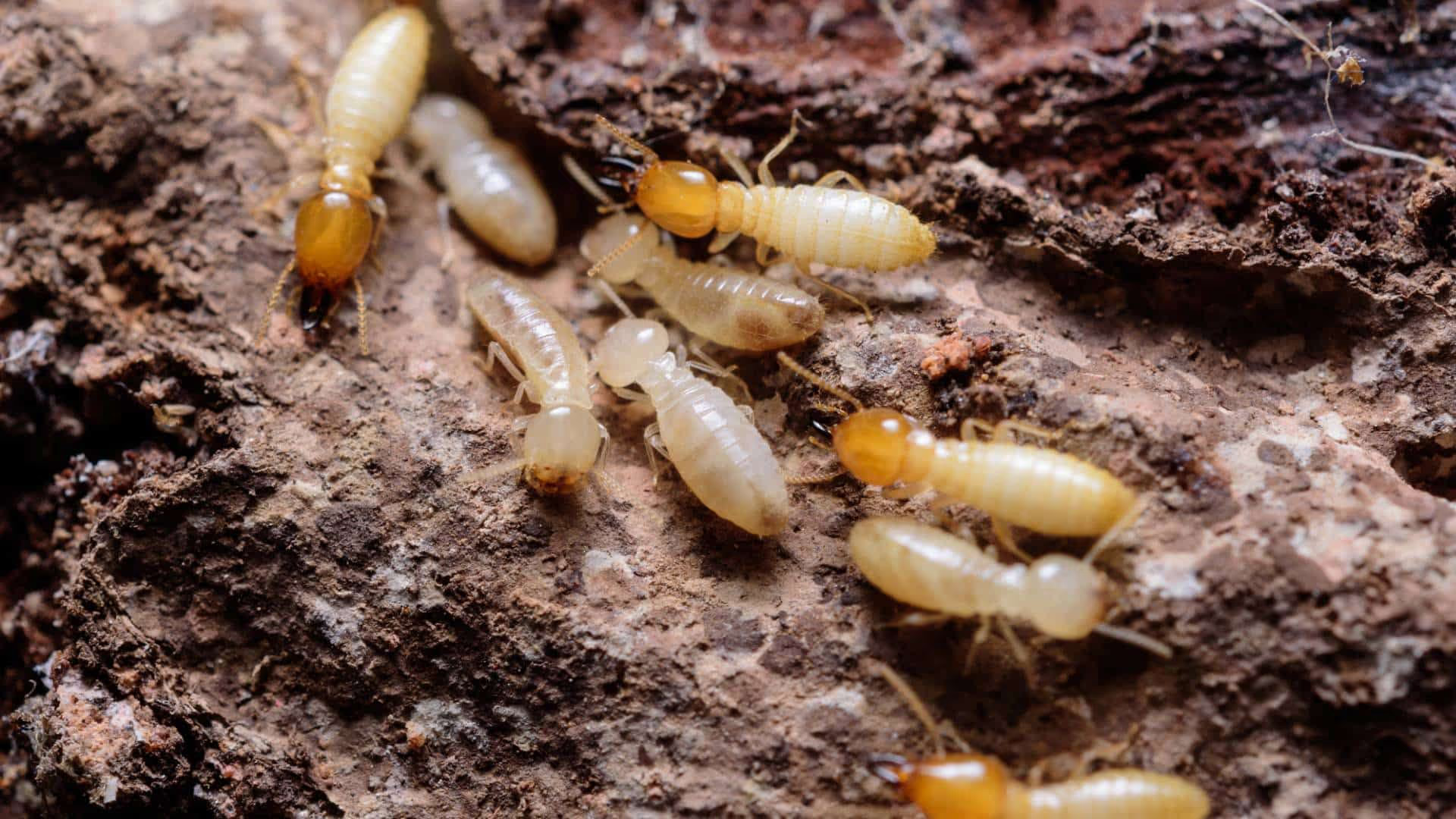
Less common here than carpenter ants and often confused with them, but real. The coast of British Columbia has western subterranean termites, which nest in soil and reach a building through wood-to-ground contact or mud tubes across foundation walls, and Pacific dampwood termites, which need consistently wet timber.
Both mechanisms line up with local conditions: subterranean termites enter through foundation gaps in damp soil, and dampwood termites target moisture-damaged wood. On slab and shallow-crawlspace construction with a high water table, that is the same ground-level, moisture-driven entry the rest of this page describes. Termite treatment in Richmond starts with an inspection, because damaged structural wood is not a guess worth making.
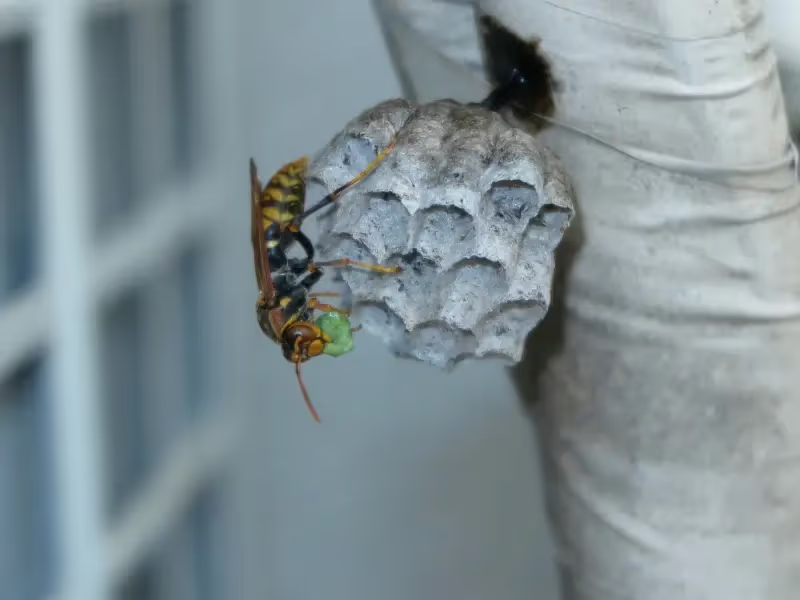
Nests under rooflines, in sheds, in wall cavities and around decks turn aggressive by late summer. A nest beside a doorway or above a patio is worth dealing with before someone is stung.
Hornets are larger and more aggressive than wasps and the nest is usually somewhere awkward to reach safely, which is most of why wasp nest removal in Richmond is not a ladder-and-a-can job.
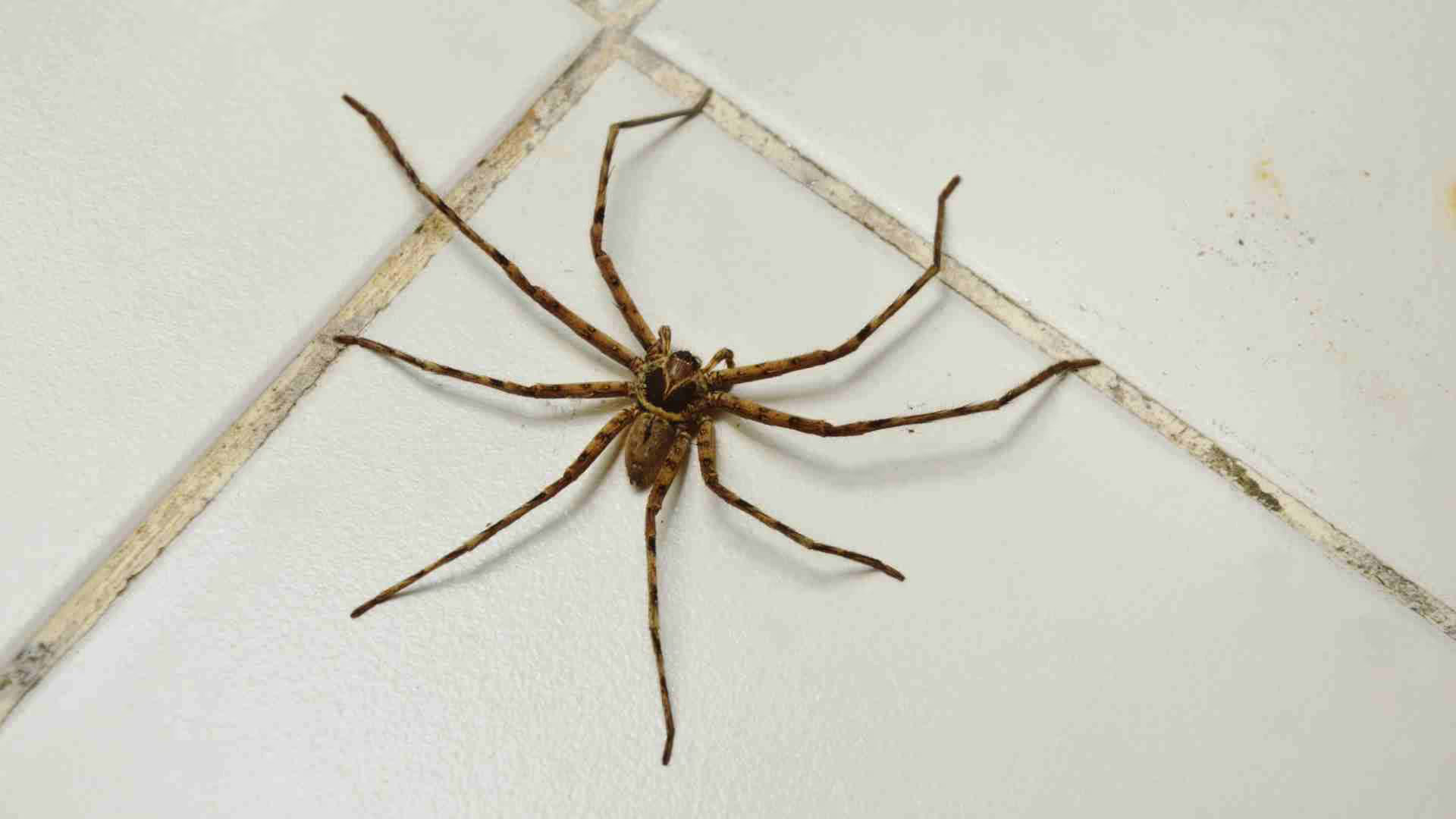
Crawlspaces in Steveston and Terra Nova stay damp through the winter, drawing spiders, silverfish and carpenter ants. Both are moisture-driven, so treatment that ignores the crawlspace conditions buys a few months at best.
Spider control in Richmond means the interior and the building perimeter, plus flagging the moisture issue underneath it.
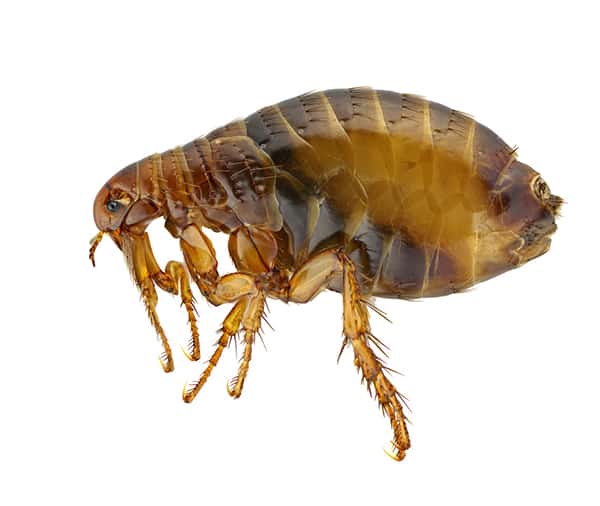
They come in on pets and move into carpets, bedding and furniture within days. Treating the animal alone does not clear the house. The life cycle continues in the soft furnishings, which is why a single treatment often appears to work and then does not.
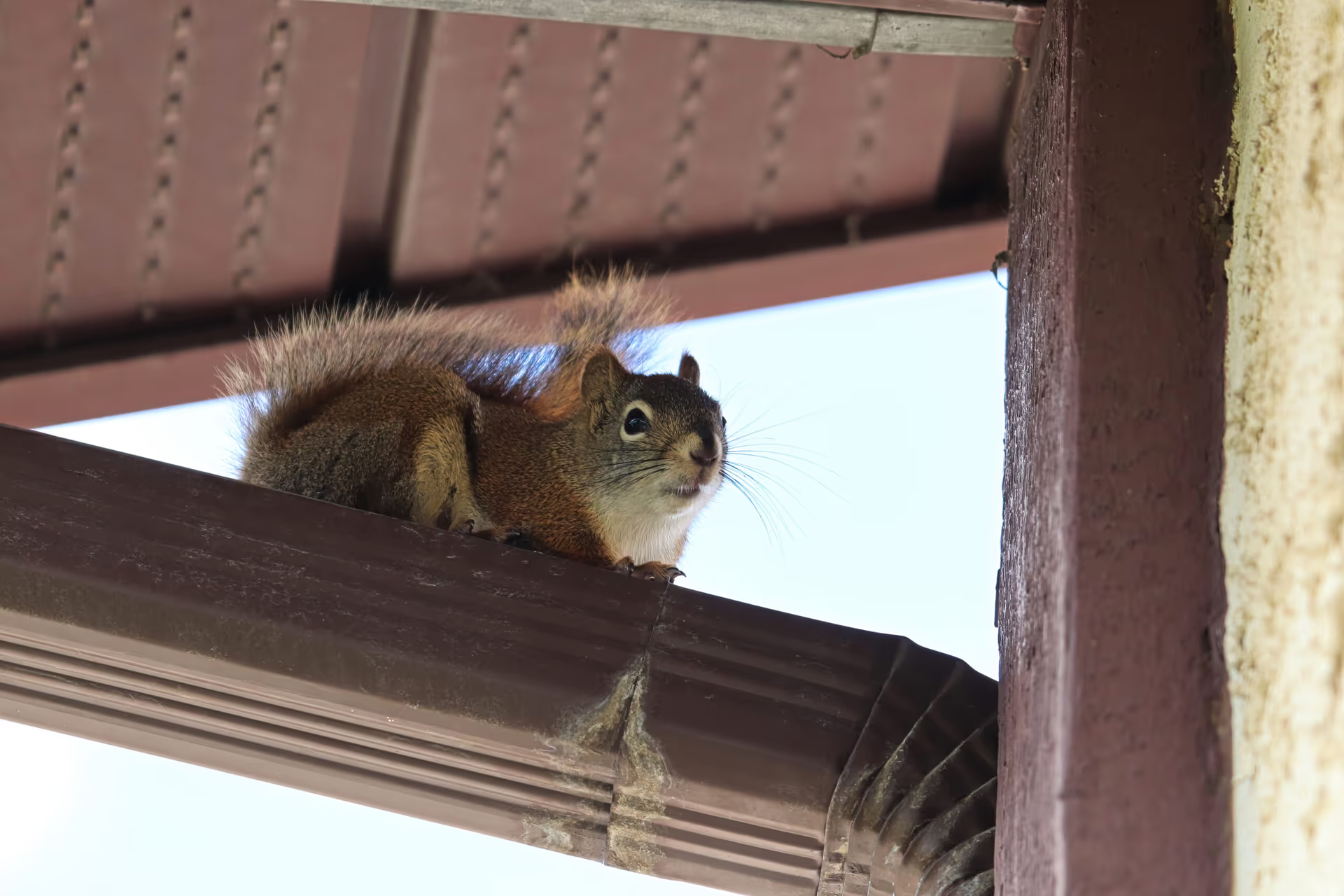
Raccoons in attics and under decks, squirrels in soffits and roof voids, birds nesting in vents and signage. Animal control in Richmond is a separate discipline from insect and rodent work.
The job is removal and the route. An attic cleared without the entry point closed is re-occupied, usually within the same season and often by a different animal. We remove humanely, close the route behind them, and check for a second entry, because there is almost always more than one.
Some wildlife situations resolve in a single visit. That is genuinely different from insect and rodent pressure, which usually needs an ongoing programme, and we will tell you which one you have at the inspection.

Richmond is not built on the same ground as the rest of Metro Vancouver, and that is the biggest single reason the services above play out differently here. The City is made up of islands within the floodplain of the Fraser River, sitting at an average of one metre above sea level. The water table is shallow, and the city is drained by an extensive network of ditches, canals and storm lines.
Rats travel the storm and drainage network rather than staying above ground, which is why activity often appears at a property with no visible exterior route. A neighbour with no problem is not evidence that yours arrived from next door.
Shallow ground means a lot of Richmond housing sits on slab or shallow crawlspace construction, so entry points are close to grade rather than a metre up a foundation wall. Garage thresholds, dryer vents and utility penetrations do the work that a foundation crack does elsewhere.
Farmland and greenhouse operations on the eastern and southern edges give rodents food and harbourage through the winter, and pressure moves toward residential and commercial areas when fields are cut or turned.
About 39% of the City is Agricultural Land Reserve, which is why a Richmond inspection starts at the drainage lines, the service penetrations and the shared walls, not at the baseboards.
Richmond’s housing stock is more vertical than its neighbours’, and the building type changes the job more than the pest does. Residential pest control in Richmond means three quite different kinds of survey depending on what you live in.
Older stock has more gaps: original foundations, crawlspace vents, gaps under siding. With shallow crawlspaces and a high water table, damp is the recurring condition. We find the entry points and close them rather than treating what is visible and leaving the route open.
Party walls, shared attic spaces and continuous crawlspaces mean an infestation in one unit is rarely contained to it. We treat the affected unit and check the units either side.
Dense newer condo stock has the opposite profile to a Steveston house: less ground-level intrusion, more movement through parkades, garbage rooms and shared service risers, which makes it a building-wide problem rather than a unit-by-unit one. We survey the risers, waste rooms and parkade level, and the report tells the strata which units need access next.
Businesses face pest problems that threaten operations, customer trust and regulatory compliance, and the paperwork often matters as much as the treatment.
See also our full commercial pest control programme.
Book a Site InspectionHeat, water and food waste in one room is why kitchens get cockroach and fruit fly pressure that cleaning alone will not resolve. The cost is rarely the treatment. It is one customer seeing one insect. We work the drains, the void behind the line, the dry store and the waste area, and schedule around service so the kitchen does not close for us.
Lower pest pressure, higher reputational cost. Most problems trace to a kitchenette, a waste room or a shared wall with a food tenancy next door. In a strata the pest is a shared problem and the complaint is a tenant problem.
A full site survey inside and out, mapping the likely introduction points: the receiving door, waste storage, drainage, and any shared wall or service void with a neighbouring tenancy. Monitoring devices go in at those points rather than being spread evenly around a floor. Each scheduled visit checks and records them, treats only where warranted, and flags the structural or housekeeping issues driving the risk.
Richmond’s industrial base is warehousing, distribution and food processing, clustered around the airport lands and the eastern industrial areas. Here the pest problem is a stock and compliance problem before it is a nuisance.
Book a Site InspectionThe problem arrives on a pallet or walks through a receiving door that stands open all day. Rodents get into racking where nobody looks until stock is written off. We work the perimeter and the receiving line, because that is where an introduction starts, rather than spreading devices evenly across a floor.
Food premises carry monitoring and reporting expectations an office does not. Processing and cold-storage environments concentrate the risk at the loading dock, the drainage and the wall-to-floor junction, and the treatment options are constrained by what can be used around food. We scope those sites around the production schedule and the wash-down cycle rather than dropping a domestic programme onto an industrial building.
A health inspection, an audit or an insurance review asks what was found, what was applied, where, when and by whom. If those records do not exist, the pest problem becomes a compliance problem. Every commercial visit produces a service report covering inspection findings, any product applied with its location, monitoring device readings and the corrective actions recommended on your side.
A technician walks the property and identifies what you have and how it is getting in. In Richmond that means the drainage lines, service penetrations and shared walls before the baseboards. The inspection is free and you get the price before any work starts.
Applied by fully licensed and insured technicians using products registered for the job. What gets used depends on the species, the building and, for food premises, what is permitted around production.
We close the way in as part of the job, not as an extra line on the invoice. Every treatment carries the 100-Day Pest-Free Guarantee: if pests return within the covered period, our technicians return and treat the problem again.
4.8 Average Rating | 150 Reviews
“Kamran has provided a few services at Casa del Sol - bed bugs, ants and wasps. He is efficient, and very trustworthy. I appreciate his calm patience and support when managing our various anxieties and phobias.”
August 2026
Carol Rad
“I find Kamran to be knowledgeable, honest and effective in the work he's done for us.”
August 2026
Albert Mann
“Fantastic experience! Pesticon’s staff were courteous, efficient, and thorough. They solved our pest issue completely, and the results have lasted for months. Truly a five-star company!”
October 2025
Edla Nissi Christina
“Amazing experience! They responded quickly and handled the pest issue with care. I haven’t seen a single bug since! Highly recommend Pesticon to everyone in Vancouver.”
October 2025
Tarik Gafic
In B.C. most professional products are restricted-class and may only be purchased and applied by someone holding a provincial Pesticide Applicator Certificate, in the Structural category for work in and around buildings. Certificates expire and have to be renewed, so "licensed" on its own is worth a follow-up question.
A single visit and a programme that includes the return visit are different things, and for cockroaches, bed bugs and established rodent activity the return visit is where the outcome is decided.
Trapping without exclusion clears the animals you have and leaves the route open for the next ones.
Pest control for a standard Richmond home starts at $300 to $350 plus tax for common pests. Larger properties and homes with more than one kitchen run $400 to $450 plus tax.
Commercial, warehouse and food-premises work is quoted after a free on-site inspection, because it depends on the size and layout of the premises, what the site has to document, and how often we attend.
The inspection is free either way, and the quote is the price.
Tell us what you are seeing and where on the property. A Richmond technician reviews it and comes back with a free, no-obligation quote.
Two things speed it up. Tell us the building type, whether that is a house, townhouse, tower, warehouse or food premises, and whether you have seen activity outside as well as in.
Or call (604) 229-1097
Free, no obligation
Free inspection, a price before any work starts, and the 100-Day Pest-Free Guarantee.