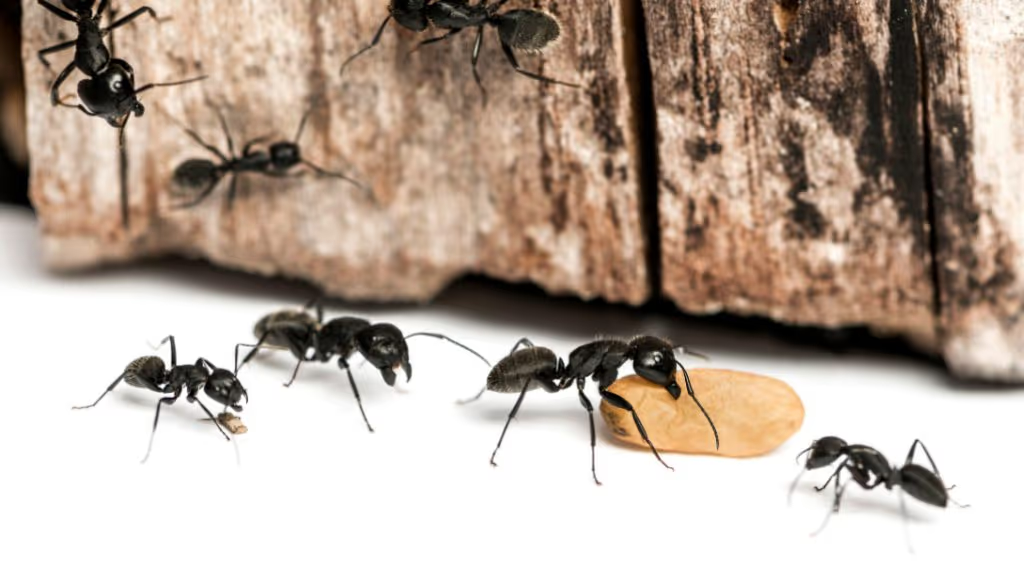
Why Vancouver’s Humidity Makes Homes a Carpenter Ant Haven
Vancouver is renowned for its scenic beauty, stunning ocean views, and lush greenery—but also for its high humidity and frequent rainfall. While this climate nourishes the landscape, it can also create ideal conditions for a hidden threat inside your home: carpenter ants.
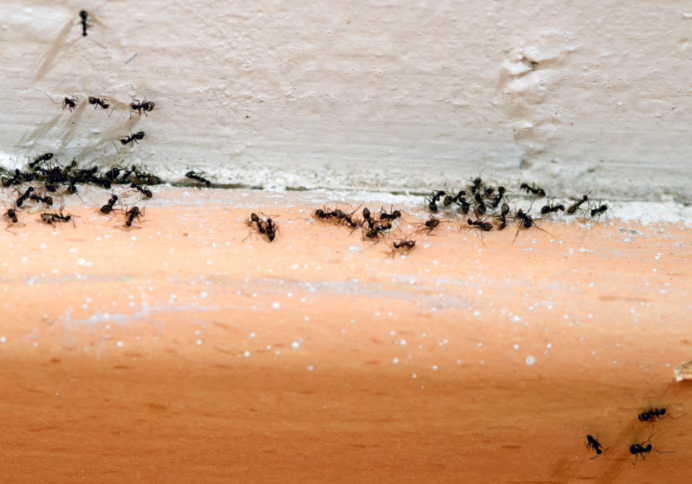
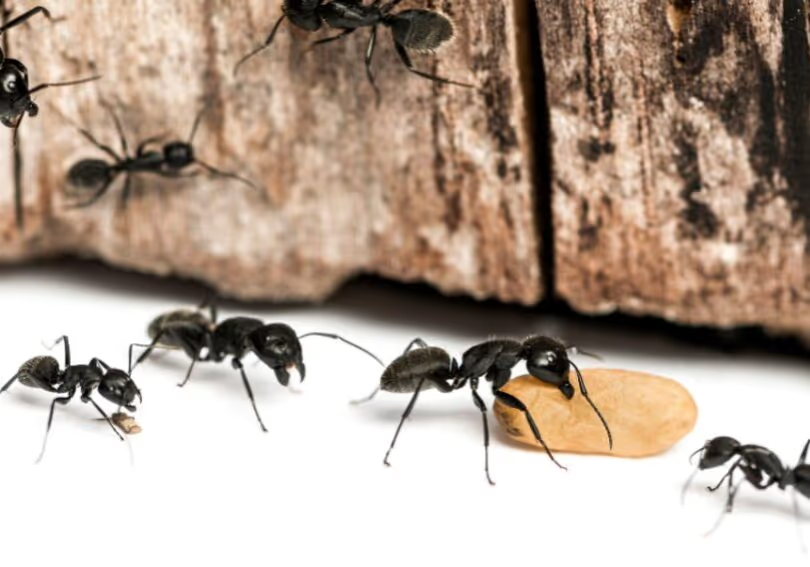
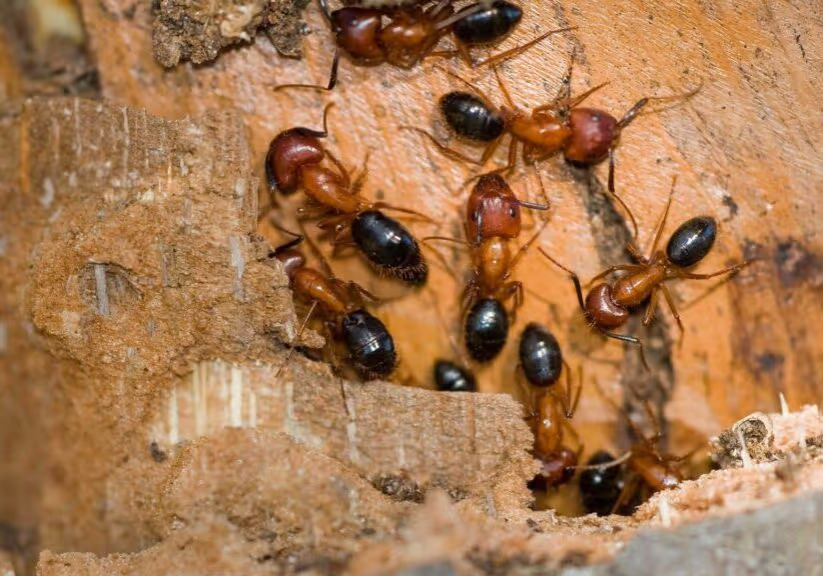
These large black ants don’t eat wood but excavate damp or decaying wood to build their nests, often inside walls, attics, and basements. The more moisture your home retains, the more appealing it becomes to these destructive pests.
If you’ve ever spotted a few ants and wondered if they’re harmless or a sign of a deeper issue, the answer could be hiding your home’s moisture levels. Vancouver’s climate makes even newer homes vulnerable if water isn’t properly managed.
In this blog, you’ll learn:
- Why carpenter ants love humid environments
- Which areas of your home are most at risk
- How to prevent costly infestations before they start
Ready to find out why humidity makes your home vulnerable? Let’s break it down—beginning with Vancouver’s climate.
Vancouver’s Climate: A Quick Look at Why Homes Stay Damp
Vancouver’s coastal location means it experiences mild temperatures and high humidity almost year-round. With an average annual humidity level around 70–80% and frequent rainfall—especially in fall and winter—it’s no surprise that moisture builds up easily in homes across the region.
Key Climate Facts:
- Rainfall: Vancouver receives over 1,100 mm of rain per year, much of it concentrated between October and March.
- Humidity: Indoor humidity levels often remain above the recommended 50%, especially in poorly ventilated homes.
- Older Housing Stock: Many homes in Vancouver are built with wood-frame construction, and older homes may lack proper insulation, sealing, or ventilation—making them more prone to moisture retention.
This consistently damp environment softens the wood, attracts pests, and provides ideal conditions for carpenter ants to tunnel and nest. Small leaks or condensation can create a high-risk zone, even in newer homes, if not promptly addressed.
Living in Vancouver means moisture is part of everyday life—but that doesn’t mean it has to lead to pest problems. Let’s examine how carpenter ants take advantage of these humid conditions next.
How Humidity Attracts Carpenter Ants
Carpenter ants are highly selective in choosing a nesting site. Unlike termites, they don’t feed on wood—they tunnel through it to build their colonies. And they’re especially drawn to moist, softened, or decaying wood, which is easier to excavate than dry, solid timber.
In a humid city like Vancouver, this poses a significant risk to many homes, particularly those with wood-framed structures, inadequate ventilation, or aging plumbing.
Here’s Why Humid Homes Are a Target:
- Softened Wood Is Easier to Tunnel Through
When wood absorbs moisture, it becomes spongy and structurally weaker. Carpenter ants prefer wood softened by water damage, as it’s easier to carve out galleries and chambers for their nests. - Humidity Often Comes with Leaks and Dampness
Plumbing leaks, roof seepage, and condensation around windows and pipes create persistent wet spots. These moist areas soften the wood and serve as a nearby water source—something every ant colony needs. - Hidden Moisture Goes Undetected
High humidity can lead to long-term dampness in crawl spaces, attics, and basements—places most homeowners rarely inspect. This makes them perfect hiding spots for nesting colonies that grow undisturbed. - Condensation Builds Up in Sealed Spaces
Modern homes are often well-insulated and tightly sealed for energy efficiency, resulting in reduced air circulation. Condensation can form on interior walls and inside cabinets without proper ventilation, attracting ants to moist wood behind the scenes. - Multiple Nesting Sites May Develop
A single carpenter ant colony can create multiple satellite nests. Humid homes are more likely to offer several viable nesting spots, mainly when damp conditions are spread across multiple floors or rooms.
Real-World Example:
Homeowners in Vancouver often notice ants in the kitchen or bathroom—only to later discover that the real nest is behind the drywall or beneath the flooring where a hidden leak has softened the wood.
Moisture may be silent, but its effects are not next. Let’s explore the specific areas of your home where carpenter ants are most likely to take hold.
Common Trouble Spots in Humid Homes
In humid climates like Vancouver, certain parts of your home are especially vulnerable to moisture buildup—and that makes them prime real estate for carpenter ants. These pests don’t need much to get started: a small leak, a bit of condensation, or hidden water damage is often all it takes to get them started.
High-Risk Areas Carpenter Ants Love in Damp Homes:
- Window and Door Frames
Condensation frequently forms around windows, especially if they’re older or poorly sealed. Moist wood in window sills and door frames provides an easy entry and nesting point for carpenter ants. - Kitchens and Bathrooms
These are some of the most common areas for infestations. Plumbing leaks under sinks, behind dishwashers, or near bathtubs create perfect humid pockets. Softened cabinetry and baseboards often go unnoticed until ants emerge. - Basements and Crawl Spaces
Basements in Vancouver are naturally humid due to their proximity to the ground and limited ventilation. Combine that with occasional flooding, pipe leaks, or concrete sweating, and you’ve got an ideal habitat for ants looking to build a nest. - Attics and Rooflines
Poor roof insulation or undetected roof leaks allow water to seep in and soak wooden beams. Carpenter ants often nest in attic rafters or wall voids, especially if there’s poor ventilation trapping warm, moist air. - Exterior Siding, Decks, and Fascia Boards
Rainwater can infiltrate wooden siding or fascia that isn’t sealed or appropriately painted. Carpenter ants often begin nesting outside the home, then work their way inward through soffits, vents, and cracks. - Under Appliances
Refrigerators, washing machines, and dishwashers can leak slowly or produce excess condensation. The wood or subfloor beneath them can stay damp for long periods—undetected—making them a sneaky hot spot for ants.
What Makes These Areas Vulnerable?
- Poor airflow or ventilation
- Lack of regular maintenance
- Aging or unsealed wood
- Areas not easily visible or accessible
Left unchecked, these spots can develop hidden moisture that fuels mould growth and carpenter ant infestations.
These vulnerable areas could be quietly inviting carpenter ants into your home. Let’s examine how to identify the signs before a full infestation occurs.
Warning Signs of Moisture and Carpenter Ant Risk
In a city like Vancouver, where damp conditions are common, many homeowners don’t notice a problem until carpenter ants have already established themselves. The key to avoiding major repairs is spotting early red flags—such as moisture buildup and ant activity.
Moisture Warning Signs to Watch For:
- Condensation on Windows or Walls
Frequent fogging or water droplets, especially in the mornings or after showers, can signal excess indoor humidity. - Warped or Soft Wood
Wood that bends, buckles, or feels soft to the touch (especially near sinks, baseboards, or window frames) is likely absorbing moisture and could be vulnerable to ant damage. - Mold or Mildew Smell
A musty odour in bathrooms, basements, or closets may indicate hidden water damage—prime real estate for carpenter ants. - Water Stains or Discoloration
Yellowish or brownish patches on ceilings or walls often suggest a leak behind the surface. These are ideal spots for ants to establish satellite nests.
Carpenter Ant Activity Signs:
- Frass (Wood Shavings)
This appears to be a mixture of sawdust and insect parts, often found beneath kickboards, baseboards, or attic insulation. It’s sure sign ants are tunnelling nearby. - Rustling Sounds in Walls at Night
Ants are nocturnal. It could be a nest behind your drywall if you hear faint clicking, tapping, or movement in quiet rooms at night. - Regular Ant Sightings Near Moist Areas
If you’re consistently seeing large, black ants near sinks, windows, or appliances—even just one or two at a time—they may be part of a hidden colony. - Winged Ants Indoors
These reproductive ants (swarmers) are often mistaken for termites. If you find them indoors, it usually means there’s a mature colony inside your home.
Don’t Wait for Damage to Appear
By the time visible damage occurs, the infestation is often already widespread. Acting early, based on these signs, can lead to faster, simpler, and less costly treatment.
Prevention Tips for Homeowners
In Vancouver’s humid climate, preventing carpenter ant infestations starts with one key goal: keep moisture under control. If you can reduce dampness and protect wood in your home, you’ll remove the very conditions that carpenter ants look for when choosing where to nest.
Here are some simple, effective ways to do just that:
Moisture Control Tips:
- Use Dehumidifiers in High-Humidity Areas
Install a dehumidifier in basements, crawl spaces, and attics—places where humidity tends to accumulate and ventilation is often inadequate. Aim to keep indoor humidity below 50%. - Fix Leaks Immediately
A slow drip under a sink or behind a wall may seem harmless, but it can soften surrounding wood and create a perfect nesting site. Address all leaks as soon as they appear. - Improve Ventilation
Install or upgrade exhaust fans in bathrooms, kitchens, and laundry rooms. Ensure that attic vents are clear to allow proper airflow and prevent condensation buildup. - Seal Entry Points
Seal gaps around windows, doors, pipes, and foundation cracks with caulk or weather stripping. This will limit moisture intrusion and pest access. - Replace or Repair Damaged Wood
Remove and replace rotting window sills, baseboards, or deckboards. If left untreated, these areas become prime targets for ant nesting. - Direct Water Away from Your Home
Ensure gutters and downspouts divert rainwater away from the foundation. Pooling water near the home can seep into basements and attract pests. - Store Firewood Away from the House
Keep wood piles at least 20 feet from your home and off the ground. Carpenter ants often start in firewood and migrate inside. - Schedule Routine Home Inspections
Even if you don’t see ants, having a professional check for early signs of moisture or pest activity once a year can save you from major headaches later.
Simple Steps, Big Impact
You don’t need expensive renovations to protect your home—just consistent awareness and small improvements over time.
Prevention is easier than extermination. Up next, let’s talk about why carpenter ants can still be a problem—even if you think you’ve done everything right.
Why DIY Isn’t Always Enough in a Humid Climate
While DIY prevention steps are helpful, they’re not always enough—especially in a city like Vancouver, where humidity is constant and often hidden. Even if you patch a leak or set out bait, carpenter ants can keep thriving behind walls or in your attic if the root moisture problem isn’t fully resolved.
Here’s why professional intervention is often necessary:
Limitations of DIY Approaches:
- You Can’t Always See the Nest
Carpenter ants hide deep inside walls, ceilings, or crawl spaces, making them difficult to detect with the naked eye. DIY treatments might kill surface-level ants—but the colony survives. - Store-bought baits May Not Reach the Colony.
Off-the-shelf traps often fail to effectively attract carpenter ants or penetrate satellite nests scattered throughout the home. - Moisture Problems Return If Not Properly Addressed
You might temporarily stop a leak but miss signs of structural moisture—such as insulation soaked by condensation or damp wood behind drywall. These are things professionals are trained to find. - Infestations Can Spread Quickly
A missed nest or overlooked leak can lead to multiple satellite colonies forming across different rooms or floors, exacerbating the infestation and making it more expensive to resolve later.
Why Professional Help Makes a Difference:
- Advanced Tools: Pest control experts utilize moisture meters, thermal imaging devices, and inspection scopes to detect hidden nests and damp areas.
- Accurate Identification: Professionals can confirm if the ants you’re seeing are carpenter ants and determine the extent of the problem.
- Integrated Pest Management (IPM): Companies like Pesticon don’t just treat pests—they help identify and correct the conditions that allowed them to settle in the first place.
Protect Your Investment
Your home is one of your most significant investments. Leaving moisture issues unchecked or relying on guesswork can lead to bigger problems over time—including costly repairs.
If humidity persists, so will the ants. In the next section, we’ll show you how Pesticon handles carpenter ant problems in Vancouver—starting with a free, no-pressure inspection.
How Pesticon Helps Vancouver Homeowners
At Pesticon, we understand that humidity and carpenter ants go hand in hand—especially in Vancouver. That’s why our approach goes beyond simply spraying and walking away. We focus on long-term solutions, using the right tools and strategies to address the pests and the conditions that attract them.
Here’s how we protect your home from carpenter ants:
Our Process
- Free, No-Pressure Inspection
Our experienced technicians begin by inspecting your home for signs of moisture, wood damage, and pest activity. We utilize moisture meters, thermal cameras, and borescopes to inspect areas behind walls, under floors, and in hard-to-reach locations. - Customized Treatment Plan
Every home is different. Based on the inspection, we create a targeted plan that may include:- Non-repellent treatments that ants carry back to the colony
- Insecticidal dusts and baits for galleries and wall voids
- Exterior perimeter treatments to stop re-entry
- Safe, Family-Friendly Solutions
All our methods are Health Canada–approved, making them safe for children, pets, and the environment—while still being tough on pests. - Integrated Moisture Management
We don’t stop at removing ants. We help identify underlying moisture issues that need to be addressed—such as leaks, condensation, or poor ventilation—so the ants don’t return. - 100-Day Pest-Free Guarantee
If the ants return within 100 days, so do we—at no extra cost. It’s part of our promise to deliver results you can trust.
Why Vancouver Homeowners Trust Pesticon:
- Local BC experience since 2015
- Friendly, transparent service with no hidden fees
- Technicians who arrive on time, explain everything clearly and respect your space.
Don’t let moisture and ants take over your home. Contact Pesticon today for your free inspection, and let us take care of the rest—with proven results and guaranteed peace of mind.
Common Questions About Carpenter Ants and Vancouver’s Humidity
You’re not alone if you’re concerned about carpenter ants or moisture problems in your home. Below are answers to some of the most frequently asked questions by Vancouver homeowners.
Does rain directly cause carpenter ant infestations?
Rain doesn’t bring ants inside, but it raises humidity levels and can cause wood to stay damp longer. This makes your home more inviting to carpenter ants, especially if there are leaks or drainage problems nearby.
What indoor humidity level is considered safe?
Ideally, your home’s indoor humidity should be between 30% and 50%. Anything above that—especially for extended periods—can lead to moisture problems and increase your risk for pest infestations and mould growth.
I only see a few ants—does that mean I have a colony?
Not always, but it’s often a warning sign. Even a few large, black ants near moisture-prone areas (like under sinks or around windows) could mean there’s a satellite nest hidden behind walls or flooring. It’s best to get it checked.
How are carpenter ants different from regular ants?
Carpenter ants are:
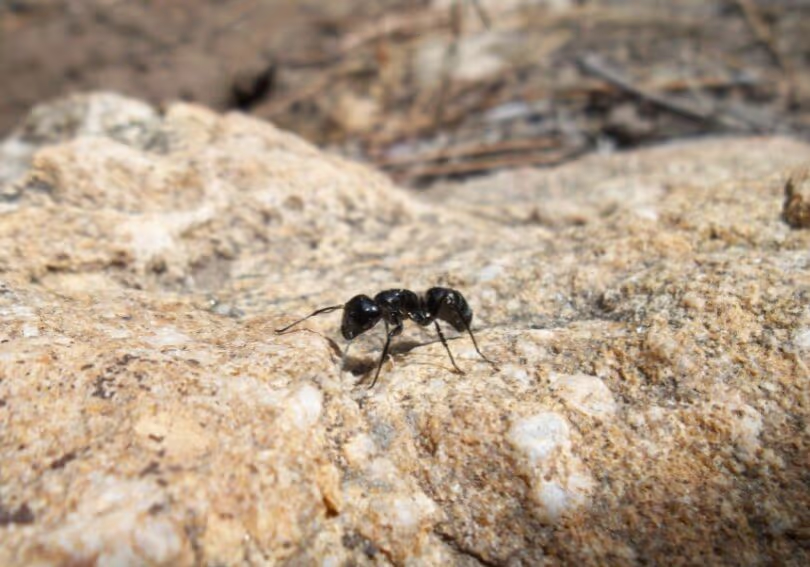
- Larger (often 6–12 mm)
- Black or reddish-black
- Known for tunnelling through wood, not eating it.
They also produce frass (wood shavings), a key indicator of an infestation.
Can I solve a carpenter’s problem myself?
You can take steps to reduce humidity and limit food access, but DIY solutions rarely eliminate the entire colony—especially in a humid environment like Vancouver. A professional can detect and treat hidden nests more effectively.
Still have questions? Contact our team at Pesticon—we’re happy to provide answers, free inspections, and expert help tailored to your specific home.
Don’t Let Vancouver’s Humidity Invite Carpenter Ants In
Living in Vancouver means enjoying beautiful scenery, but it also means dealing with constant moisture and high humidity. Unfortunately, these conditions don’t just affect your comfort—they create the perfect environment for carpenter ants to invade your home.
What starts as a few ants near the window could be a sign of a much larger problem hiding behind your walls. And if your home has even minor moisture issues, it could already be on the radar for nesting carpenter ants.
The good news is that with the right action—early and informed—you can prevent them from causing real damage.
Here’s What You Can Do Today:
- Look for signs of excess moisture and early ant activity
- Keep your home dry and well-ventilated
- Don’t wait if you suspect a problem—get it checked professionally
At Pesticon, we bring decades of experience solving pest problems in Vancouver’s unique climate. From advanced inspections to safe and effective treatments, we ensure your home stays protected—not just now but long-term.
Think your home’s humidity might be putting you at risk? Book your FREE carpenter ant inspection today.
Pest Control Services

HomeStars Best of the Best Award Winner