Ant Infestations After Rain? Why Vancouver Homes Are at Risk
Vancouver’s rainy climate is a well-known part of life on the West Coast, but many homeowners don’t realise just how much this wet weather can increase the risk of ant infestations. Heavy rain doesn’t just water the plants; it also floods ant nests, displacing entire colonies. Once their habitat is disrupted, ants quickly look for dry, protected places to settle. More often than not, that means moving inside your home or building. This is why ant control in Vancouver requires seasonal awareness and quick response, especially during and after periods of heavy rainfall.
At Pesticon, we’ve helped hundreds of Vancouver homeowners deal with sudden, rain-related ant infestations. Knowing what to watch for and how to respond is critical to protecting your space from recurring pest problems.
Why Rain Drives Ants Indoors
Ants are incredibly responsive to moisture. When underground nests become waterlogged, colonies are forced to evacuate. Their instinct is to move toward shelter, and buildings provide everything they need: dry surfaces, food access, and warmth. Entry often occurs through small cracks in foundations, gaps around plumbing lines, and spaces in walls or under flooring. Even newer or well-maintained homes are at risk.
Once inside, ants quickly establish foraging trails in search of food, often targeting kitchens, laundry areas, and bathrooms. Because these invasions happen suddenly and involve large numbers, it can feel like an infestation appears overnight. For many residents, professional ant control in Vancouver becomes essential at this stage to stop the issue from escalating.
What Makes Vancouver Especially Vulnerable
Vancouver’s climate plays a key role in making homes and buildings more susceptible to ant infestations. The city experiences consistent rainfall, high humidity, and mild temperatures, ideal conditions for the survival of pests. Combined with densely populated neighbourhoods, plenty of green space, and older residential structures, these factors create an environment where ants can thrive year-round.
In particular, homes with poor drainage, untreated wood, or nearby gardens are more likely to experience ant activity after rain. Even small issues, like a clogged gutter or standing water near the foundation, can lead ants directly to your property. At Pesticon, we’ve seen countless cases where minor oversights led to major infestations, especially when preventative steps weren’t taken in time.
Types of Ants That Appear After Rain in Vancouver
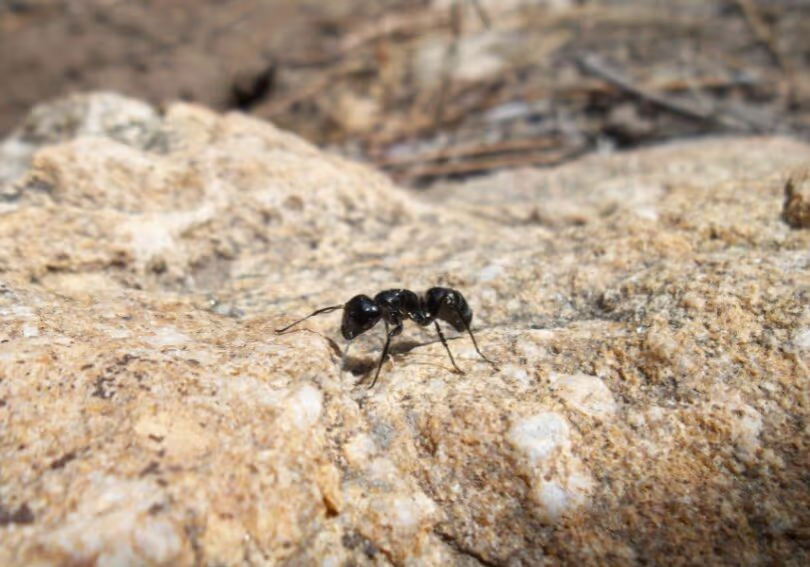
Several species of ants are common in Vancouver, and each behaves differently when displaced by rain. One of the most frequently seen is the odorous house ant, which is small, dark-coloured, and attracted to both moisture and sugary foods. After rainfall, these ants tend to nest behind walls or in warm areas like near water heaters and pipes.
Another species to watch out for is the pavement ant. These ants typically nest beneath driveways, sidewalks, and concrete slabs. Heavy rain disturbs their nesting sites, prompting them to enter basements or lower levels of buildings in search of shelter.
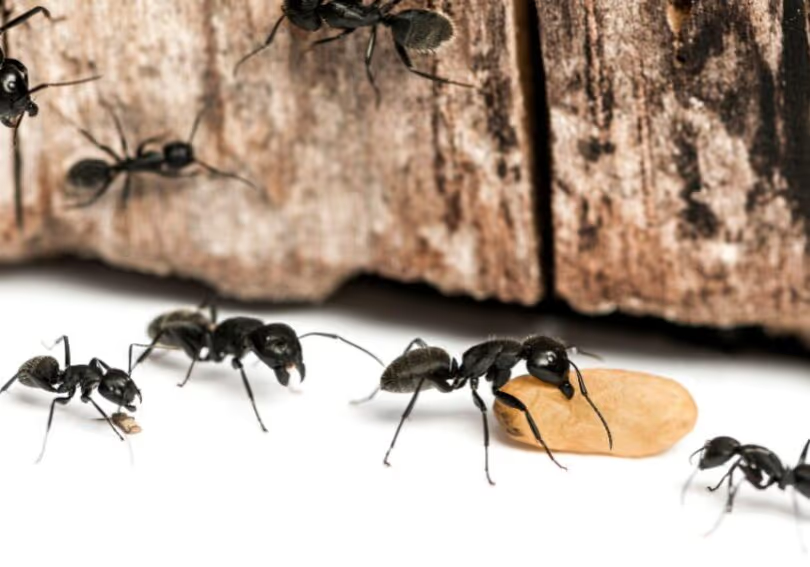
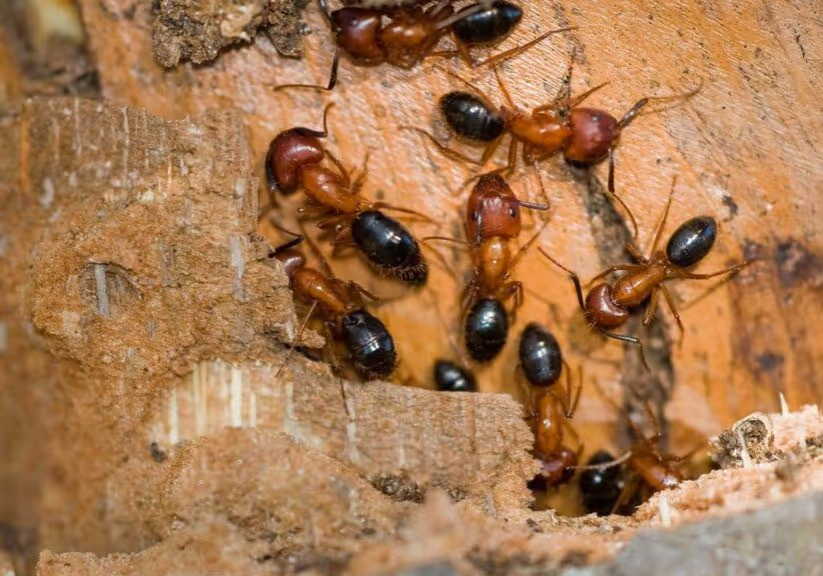
Perhaps most concerning is the carpenter ant, known for tunnelling into wet, decaying wood. Rain accelerates wood rot, which invites carpenter ants to invade siding, window frames, and roof eaves. If left untreated, these ants can cause serious structural damage. Identifying the right species is key to choosing the most effective ant control strategy, something the team at Pesticon specialises in.
Early Signs of a Rain-Triggered Ant Infestation
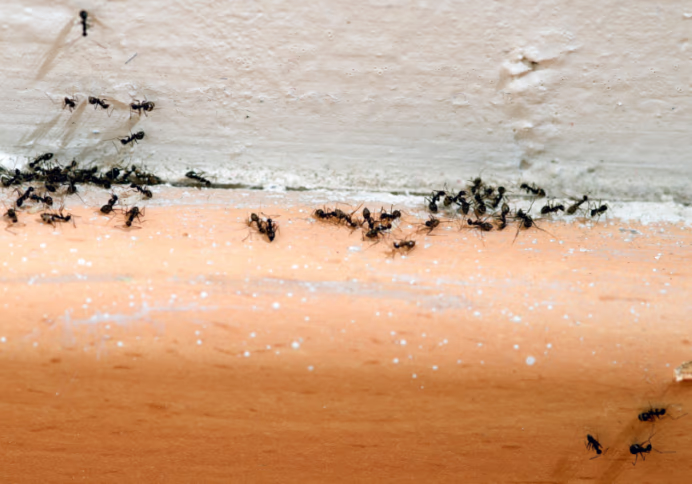
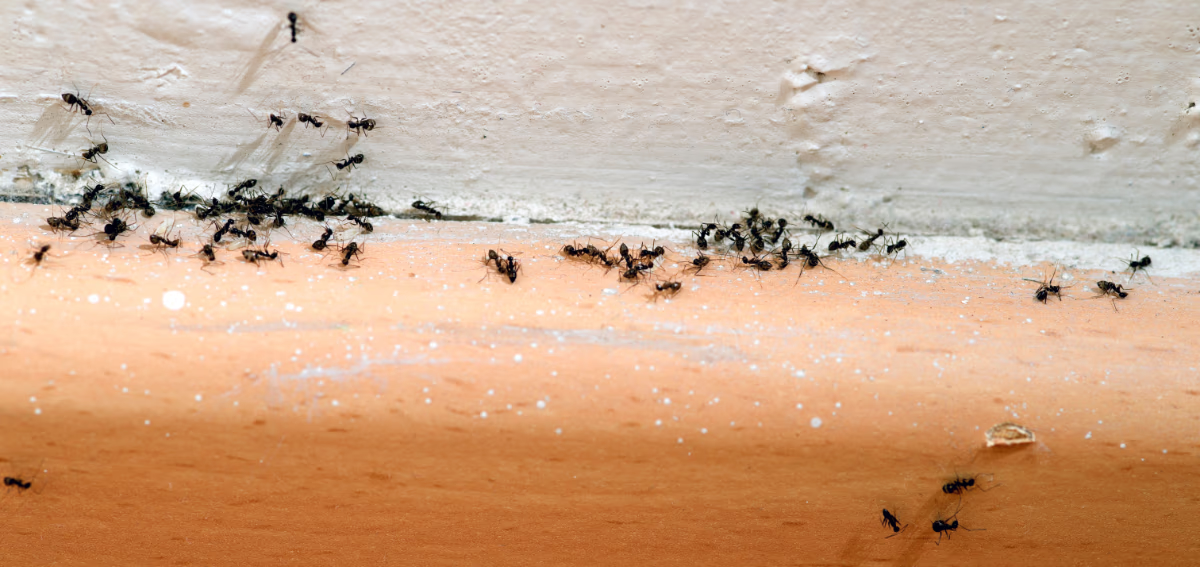
Many infestations go unnoticed in their early stages because the signs are subtle. After rainfall, the sudden appearance of ant trails—especially in kitchens, bathrooms, or along baseboards—is often the first sign of an issue. These trails indicate that ants have entered the home and are actively foraging.
You might also spot winged ants near windows or lights. These are reproductive swarmers that suggest a colony may be trying to establish itself indoors. This behaviour is common after rain when ants look for new nesting sites.
In homes affected by carpenter ants, you may find small piles of sawdust near wooden structures or hear faint rustling behind the walls at night. These are signs that ants are not just foraging, but nesting within your property. If you notice any of these symptoms, it’s time to call a professional pest control service like Pesticon before the infestation becomes severe.
How to Prevent Ant Infestations After Rain
Preventing ant infestations in a wet climate like Vancouver’s requires a combination of structural maintenance and effective sanitation practices. One of the most important steps is sealing potential entry points. Use caulking around windows and doors, and inspect the foundation for cracks. Ants don’t need much space to get inside, so even the smallest gaps should be addressed.
Another essential step is improving drainage around the property. Make sure gutters are clean and that downspouts direct water away from the foundation. Avoid letting mulch, compost, or wood debris build up near the walls, as this provides both food and nesting opportunities.
Inside the home, store food in airtight containers, wipe down surfaces regularly, and refrain from leaving pet food out overnight. Moisture should also be controlled indoors. Check for leaks under sinks and in laundry areas, and ensure adequate ventilation in damp rooms.
If your property has overgrown trees or shrubs touching the structure, trimming them back can reduce the likelihood of ants accessing your roof or upper levels. Preventative care is the best way to reduce the need for emergency ant control in Vancouver, especially during peak rainfall seasons.
When to Call for Professional Ant Control in Vancouver
While some homeowners try DIY treatments, many find that store-bought traps or sprays only offer temporary relief. This is especially true after rain, when displaced ants are more determined and in larger numbers. Surface treatments may kill foragers, but they rarely affect the colony itself, especially if it’s nesting deep within the structure.
If ants keep returning after each rainfall or if you’ve noticed signs of a nest inside the home, it’s time to bring in professionals. At Pesticon, our ant control services in Vancouver include a full inspection, species identification, targeted treatment, and long-term prevention planning. We understand how local weather affects pest behaviour and use that knowledge to stop infestations at the source.
Our trained technicians are familiar with the unique conditions of Vancouver homes and can identify early warning signs that others might miss. Whether you’re dealing with pavement ants in the basement or carpenter ants in your attic, we offer fast, effective, and environmentally responsible solutions.
Conclusion:
Rain is part of life in Vancouver, but it shouldn’t mean recurring ant problems in your home. Understanding how weather influences ant behaviour and taking proactive steps to protect your property can save you from costly damage and stress down the line.
If you’ve experienced ant activity following recent rainfall or simply want to take preventive measures, Pesticon is here to help. With years of experience providing trusted ant control in Vancouver, we offer tailored solutions that keep your home pest-free, regardless of the season. Contact us today to schedule an inspection or learn more about our local pest control services.
Pest Control Services

HomeStars Best of the Best Award Winner