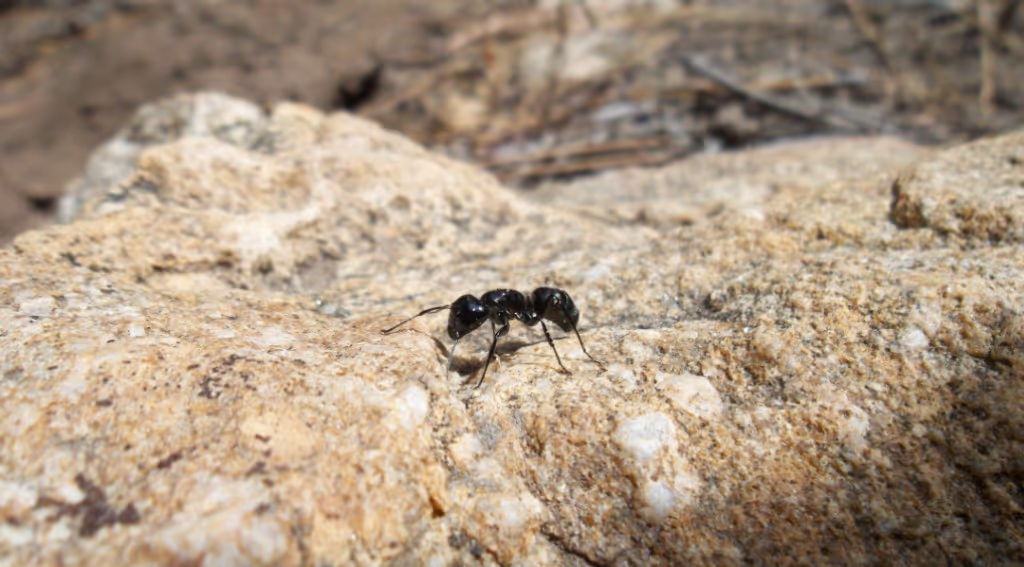
How to Tell if Carpenter Ants Are Active or Just Passing Through Your Vancouver Home
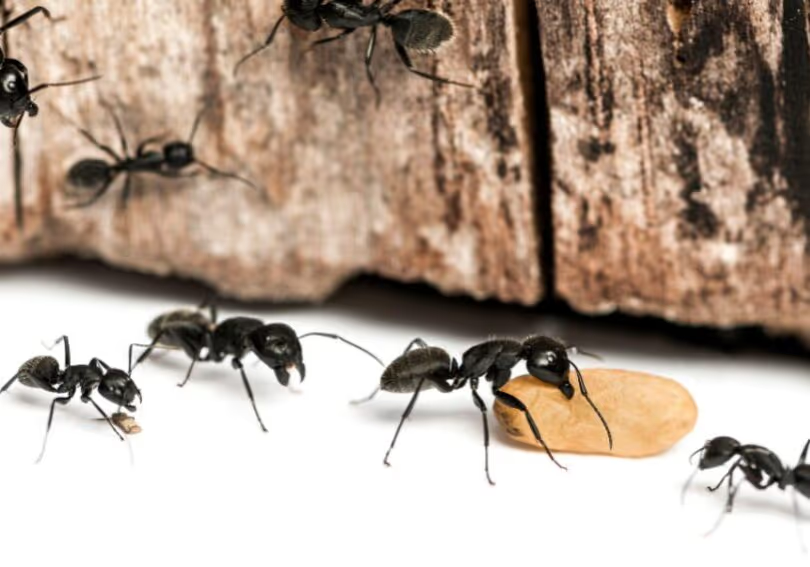
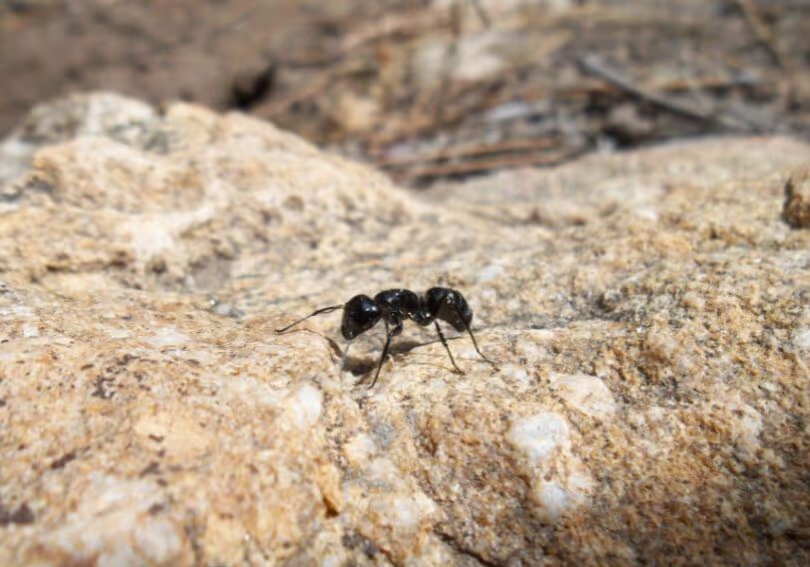
You’re not alone if you’ve noticed large black ants in your Vancouver home. Carpenter ants are common in this region, thanks to the city’s damp climate and abundant wooden structures. While seeing a few ants might not seem like a big deal, it could point to a deeper problem lurking inside your walls.
Carpenter ants don’t eat wood like termites—but they do tunnel through it to build their nests, which can lead to severe structural damage over time. That’s why early detection is key. The sooner you know whether they’re just passing through or actively nesting, the better you can protect your property.
In this guide, you’ll learn:
- How carpenter ants typically behave
- The difference between casual sightings and an infestation
- When it’s time to call in a professional
Let’s help you take control before minor signs turn into costly damage.
Why Carpenter Ants Are a Problem in Vancouver
Carpenter ants thrive in Vancouver’s moist climate, making them a common pest in urban and suburban homes. Unlike many other insects, they are attracted to damp or decaying wood, which means homes with water damage, leaky pipes, or older wooden structures are especially vulnerable.
Here’s Why They’re a Serious Concern:
- They Can Cause Hidden Structural Damage
Carpenter ants hollow out wood to build nests, weakening the internal structure of beams, joists, and walls. Over time, this can compromise your home’s integrity—and the damage often remains unnoticed until it becomes extensive. - They Nest Deep Inside Your Home
These ants don’t just stay near the surface. They often nest inside walls, attics, crawl spaces, or behind siding, making them hard to detect without a thorough inspection. - They’re Active at Night
Carpenter ants are primarily nocturnal, meaning you might not see them during the day, even if an infestation is growing. - They Reproduce Quickly
A single colony can contain thousands of ants, and satellite colonies may form in different areas of your home, especially if the main colony is nearby in a tree stump, fence post, or neighbouring house. - They Can Return If Not Treated Properly
DIY sprays and traps rarely eliminate the entire colony. Without professional treatment, you may only be addressing the symptom—not the underlying cause.
Why It Matters to You
If you live in Vancouver, your home is already in a high-risk zone for carpenter ant activity due to the humid weather and wood-rich construction. Spotting a few ants might not seem urgent, but waiting too long can result in expensive repairs and ongoing pest issues.
Take the safe route—know the signs and act early.
How Carpenter Ants Behave
Understanding how carpenter ants behave is the first step in figuring out if they’re just passing through—or if they’ve already made themselves at home.
Key Behaviours of Carpenter Ants:
- They Build Nests in Wood (But Don’t Eat It)
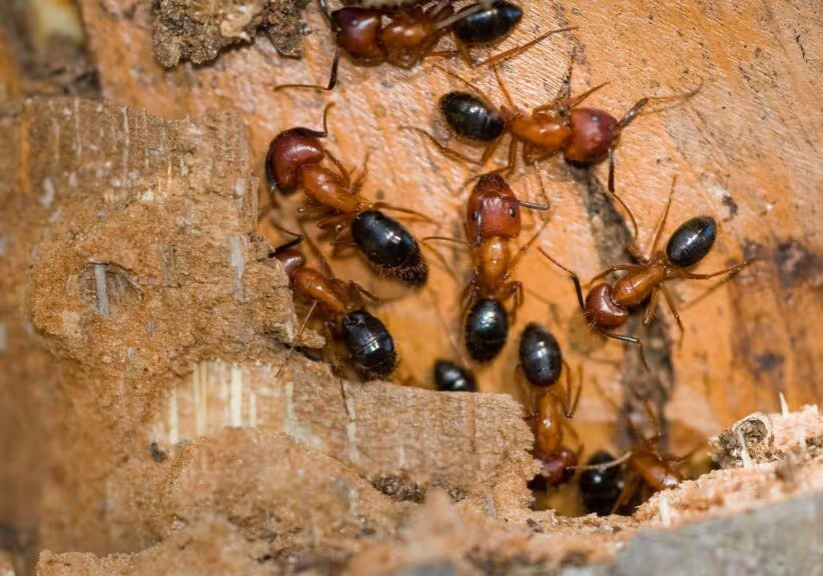
Unlike termites, carpenter ants don’t consume wood. Instead, they chew through it to create tunnels and galleries where they live and reproduce. These nests are usually found in damp or decaying wood, making window sills, roof eaves, and crawl spaces ideal targets. - They Establish Primary and Satellite Colonies
- Primary colony: Usually outdoors in a tree, stump, or buried wood.
- Satellite colonies: Spread into nearby structures (like your home), especially if conditions are humid or food is available.
This setup makes it hard to eliminate carpenter ants unless all colonies are addressed.
- They Send Out Foragers
Foraging ants can travel up to 100 metres from their nest in search of food and water. So, if you’re seeing ants in your kitchen, they might be coming from inside or outside your home. - They Prefer Protein and Sugar
They’re often found near pet food, garbage, or sweet spills. Outdoors, they feed on honeydew from aphids and other insects. - They’re Most Active at Night
You’re more likely to hear them or see them moving around after dark, especially in quiet areas like basements, attics, or behind walls.
Why This Matters
If you only see a few carpenter ants, it doesn’t necessarily mean you’re in the clear. They may just be scouting from a nearby colony—or worse, they’re already nesting inside your home. Knowing how they behave gives clues about where to look and what to listen for.
Signs Carpenter Ants Are Just Passing Through
Not every ant sighting means you have an infestation. Sometimes, carpenter ants are simply foraging and haven’t built a nest inside your home. Knowing the difference can save you time, stress, and unnecessary treatment.
Signs They’re Just Passing Through:
- Occasional Sightings Near Food or Water
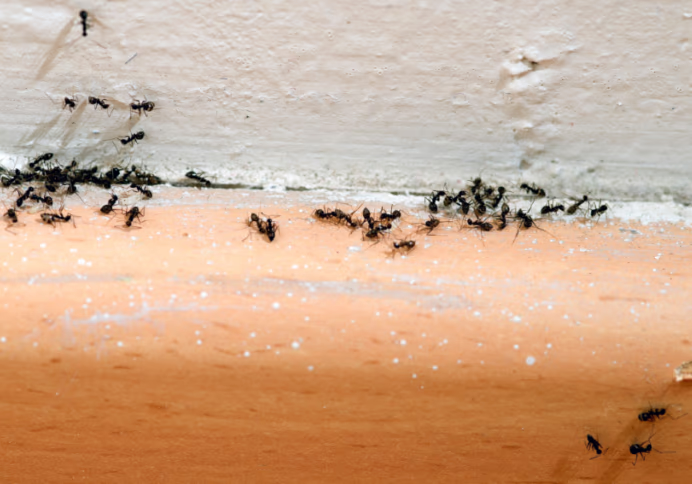
You might notice a few ants near your kitchen sink, pantry, or trash bin—especially if food or moisture is present. These ants are likely foragers from an outdoor nest. - No Consistent Pattern of Activity
If you only see ants occasionally, with no regular trail or clustering, it could be a temporary visit. - Ants Seen Only at Certain Times of Day
Sightings that happen only during rainy days or at night (when they’re most active) might point to outdoor activity rather than indoor nesting. - No Signs of Nesting Materials
A significant sign that ants are not nesting indoors is the absence of frass (wood shavings) or dead insect parts near wooden structures. - Activity Drops Quickly After Cleaning or Removing Food Sources
If the ants disappear once you clean up crumbs, secure garbage bins, or remove pet food, they are likely attracted to the smell rather than nesting.
What You Can Do
- Wipe down surfaces to remove scent trails.
- Store food in airtight containers.
- Fix leaks and eliminate standing water.
- Monitor the situation to see if ant activity continues or increases.
If these steps reduce or stop the sightings, you’re likely dealing with foragers, not nesters. However, continued or growing activity may signal something more serious.
Signs Carpenter Ants Are Nesting in Your Home
While a few ants might seem harmless, consistent activity often means there’s a nest inside your home. Ignoring the signs can lead to long-term damage and costly repairs. Here’s what to watch for if you suspect they’ve settled in.
Key Signs of an Indoor Nest:
- Presence of Frass (Wood Shavings)
One of the most common signs is frass, a mix of wood debris, soil, and insect parts. You might find it near baseboards, windowsills, or under wooden beams. Carpenter ants push this material out of their tunnels through small openings. - Consistent Ant Activity in One Area
If you regularly see ants in a specific location—especially around doors, window frames, or inside cabinets—it’s likely there’s a nest nearby. - Faint Rustling Noises in Walls
At night, you might hear soft tapping or rustling inside your walls, especially in quiet rooms. This is often the sound of ants chewing through wood. - Winged Ants Indoors (Swarmers)
If you spot winged ants indoors, especially near windows or lights, it means the colony is mature and reproducing—clear evidence that ants are living inside your home. - Damaged or Hollow-Sounding Wood
Tap on beams, sills, or window frames. If they sound hollow or crumble easily, carpenter ants may have tunnelled through them.
What You Should Do
These signs typically indicate that the ants are well-established and require professional treatment. Over-the-counter sprays may kill visible ants, but they won’t eliminate the entire colony.
Don’t wait for structural damage—book a free inspection with Pesticon today and enjoy peace of mind with our 100-day Pest-Free Guarantee.
DIY Inspection Tips for Homeowners
If you suspect carpenter ants might be nesting in your home, there are a few simple steps you can take to check before calling in the pros. These DIY inspection tips can help you identify possible problem areas and gather helpful information.
How to Check for Carpenter Ant Activity Yourself:
- Follow the Trail
Watch for where the ants go. Carpenter ants often follow the same paths to food and water. Use a flashlight to track them back to cracks, crevices, or entry points. - Look for Frass Near Wooden Areas
Check areas like baseboards, under sinks, attics, and window frames. If you find piles of what looks like sawdust (frass), there’s a good chance ants are nesting nearby. - Tap on Wood Surfaces
Gently tap on beams, window sills, and other wood structures. If they sound hollow or soft, ants might be tunnelling inside. - Use Bait to Identify Hotspots
Place small dabs of honey or peanut butter on index cards and leave them in areas where you’ve seen ants. This will help you find where they’re most active and where they may enter. - Inspect Moisture-Prone Areas
Ants love damp environments. Check for leaks around sinks, bathtubs, and basements. Soft or stained wood may indicate moisture problems and a potential nesting site.
When to Stop and Call a Pro
If your inspection reveals multiple signs—especially frass, ongoing activity, or damage—it’s time for expert help. Carpenter ants can be persistent and destructive if not adequately addressed.
Have you tried inspecting on your own but are still unsure? Contact Pesticon for a free, no-obligation assessment and let our local experts handle it.
When to Call a Professional
Sometimes, even the most thorough DIY inspection isn’t enough to uncover the full extent of a carpenter’s problem. These pests can nest deep within walls or in hard-to-reach areas, making professional help the smartest—and safest—option.
Situations That Call for Expert Help:
- You’ve Found Frass or Hollow Wood
These are clear signs of active nesting. A professional can determine the extent of the damage and locate the colony. - Ant Activity Isn’t Going Away
If you’ve cleaned, sealed entry points, and removed food sources but still see ants regularly, it likely means they’re living inside. - You Hear Noises Inside the Walls
Sounds of faint rustling, chewing, or tapping—especially at night—mean ants could be tunnelling through your home’s structure. - You See Winged Ants Indoors
Swarmers are reproductive ants. The colony has likely matured if you see them inside—and action is urgent. - You’re Dealing with Multiple Colonies
Carpenter ants often have satellite colonies in different parts of a building. Professionals know how to detect and treat all of them, not just the visible parts.
Why Choose Pesticon?
- Serving Vancouver Since 2015
- Health Canada–Approved Treatments
- Integrated Pest Management (IPM) Approach
- 100-Day Pest-Free Guarantee
We don’t just treat what you see—we identify the root of the infestation and take steps to prevent future issues.
If you see signs of a severe infestation, don’t wait. Contact Pesticon today for fast, expert assistance and to protect your home before the damage worsens.
How Pesticon Handles Carpenter Ants in Vancouver
At Pesticon, we understand that carpenter ant infestations require more than a surface-level treatment. Our approach is designed to eliminate the ants you see, target the entire colony, and prevent future issues.
Our Proven Process:
- Detailed Inspection
Our trained technicians conduct a thorough inspection of your home using moisture meters, borescopes, and thermal imaging tools (if needed) to locate the source of the infestation and assess any hidden damage. - Targeted Treatment Plan
Based on the findings, we create a custom treatment plan that may include:- Insecticidal dusts or gels are placed directly into nesting areas.
- Perimeter barrier treatments to stop ants from re-entering.
- Baits to eliminate satellite colonies safely.
- Eco-Friendly & Safe Methods
All our products are Health Canada–approved and safe for your family, pets, and the environment. We believe in responsible pest control that strikes a balance between effectiveness and safety. - Integrated Pest Management (IPM)
Our IPM strategy focuses on long-term prevention by addressing the conditions that attract carpenter ants, such as:- Fixing leaks
- Replacing damp or rotting wood
- Sealing cracks and entry points
- 100-Day Pest-Free Guarantee
If the ants come back, so do we—at no extra charge. We stand behind our work with one of the strongest guarantees in the industry.
What You Get with Pesticon:
- Expert diagnosis
- Prompt, friendly service
- Discreet and effective treatments
- Honest pricing with no hidden fees
Need help with carpenter ants in Vancouver? Book your free inspection with Pesticon today and let our experienced team handle the rest.
Don’t Wait Until Carpenter Ants Cause Damage
Carpenter ants are more than just a nuisance—they’re a real threat to the structural safety of your home. And in a city like Vancouver, where damp weather and wooden construction are typical, the risk is even higher.
Whether you’re seeing just a few ants or suspect a hidden colony, taking action early can save you thousands in repairs and months of stress. The key is knowing what to look for—and who to call when things go beyond what you can handle yourself.
At Pesticon, we’ve spent decades helping Vancouver homeowners identify, treat, and prevent carpenter ant infestations. From advanced inspection tools to safe and effective treatments, our team brings the right mix of knowledge and care to every job.
If you’re unsure whether the ants in your home are just passing through or have settled in, don’t guess—get the clarity and peace of mind you deserve.
Contact Pesticon Today for a Free Carpenter Ant Inspection in Vancouver
You don’t have to deal with this alone—Pesticon is here to help, and we back it with our 100-day Pest-Free Guarantee.
Pest Control Services

HomeStars Best of the Best Award Winner