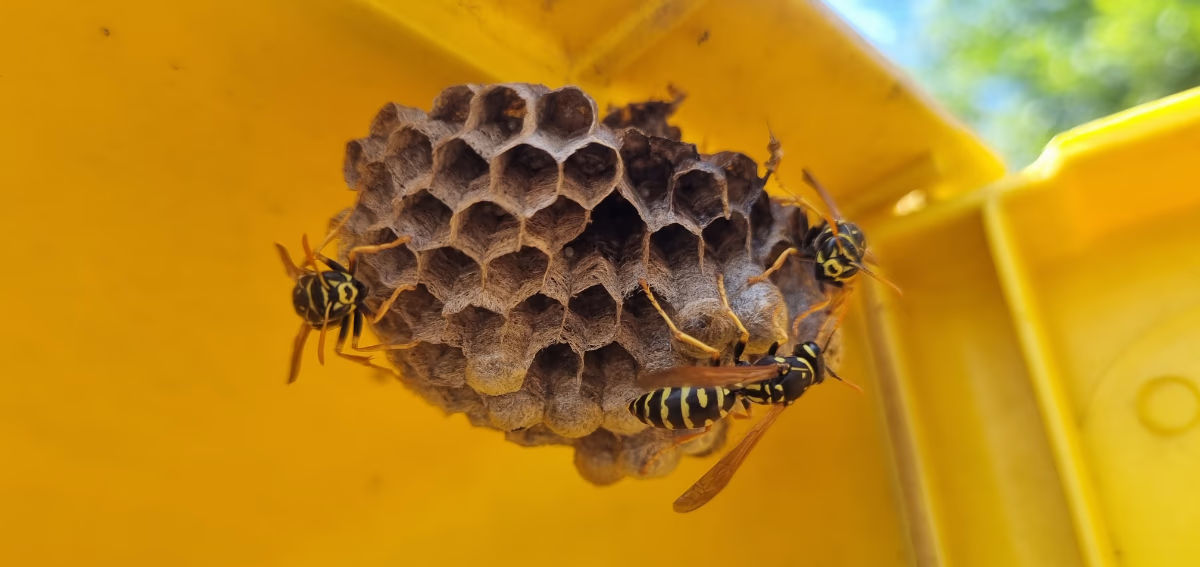
How Climate Change Is Making Vancouver’s Wasp Season Worse
As global temperatures continue to rise, the effects of climate change are being felt even in local pest behaviour. Vancouver, known for its mild coastal climate, is now seeing a clear shift in the timing and intensity of wasp activity. In recent years, the wasp season has not only extended in duration but also become more aggressive. This means homeowners and businesses must now take wasp control in Vancouver more seriously than ever before.
1. A Shift in Wasp Season: What’s Changing?
Wasps are seasonal pests, traditionally most active during the warmest months, typically from late spring through early fall. However, due to climate change, especially milder winters and warmer springs, their seasonal window is expanding.
What’s different now?
- Earlier Activity: Queen wasps are waking earlier in the year due to warmer temperatures. Instead of May or June, nest formation is beginning as early as March in some parts of Vancouver.
- Longer Nest Lifespan: Nests are surviving later into the year, sometimes into October or even early November.
- Higher Survival Rates: Winters that are less severe mean more queens survive, which results in more nests the following season.
These changes give wasps more time to build, expand, and defend their colonies, increasing the overall population density. As a result, the traditional idea that “wasps are only a problem in July or August” is now outdated for residents of Vancouver.
2. Why Vancouver Is Seeing More Wasps
Wasp control in Vancouver is becoming more critical due to a range of environmental and urban factors that are evolving with the climate.
Key contributing factors include:
- Urban Heat Islands: Areas with dense buildings, pavement, and limited green space retain more heat. This creates pockets of higher temperature, ideal for nest-building.
- Increased Nesting Sites: Vancouver homes often have accessible rooflines, attic vents, wall cavities, and backyard sheds, ideal environments for wasps. With longer warm seasons, these structures are occupied for a longer time.
- Abundant Food Sources: Wasps feed on sugary substances and proteins. Warmer weather brings more barbecues, picnics, and uncovered food outdoors. Restaurants and patios also attract wasps in large numbers, making commercial wasp control in Vancouver just as important as residential services.
- Less Natural Predation: Inconsistent seasonal changes can disrupt natural predators of wasps, leading to higher survival rates and less biological control.
The combination of these factors means that even areas previously unaffected are now seeing sudden infestations.
3. Risks for Homeowners and Outdoor Businesses
A longer and more intense wasp season brings greater exposure to these aggressive insects, especially for those living or working outdoors.
For Homeowners:
- Nesting in Structural Gaps: Wasps build nests in wall voids, crawlspaces, attic corners, and under eaves. These nests can grow undetected until they become a hazard.
- Increased Sting Incidents: More time outdoors increases human-wasp contact. Disturbing a nest accidentally can result in multiple stings in seconds.
- Property Damage: Some wasp species chew through insulation and wood to expand their nests, causing structural damage over time.
For Businesses:
- Outdoor Seating Challenges: Restaurants with patios or food trucks face disruption when wasps swarm customers or staff.
- Health and Safety Liability: A customer being stung on your property can create legal or reputational risks.
- Loss of Revenue: Constant wasp activity can lead to cancelled reservations, especially in event spaces like garden venues, cafes, and markets.
Both groups face elevated risks now that the active period for wasps spans more months than before.
4. What You Can Do to Prepare
With climate-related changes increasing the likelihood of infestations, early prevention has become increasingly essential. Wasp control in Vancouver is no longer a seasonal service; it must be part of your routine maintenance plan.
Preventive Actions to Take:
- Early Property Inspections (March–May): Spring is when queen wasps search for nesting spots. Identifying and removing early nests can prevent larger infestations later.
- Seal All Entry Points: Close off vents, attic gaps, broken siding, and open areas around pipes and windows. Screen chimney openings and outdoor exhausts.
- Manage Outdoor Waste Properly: Use tightly sealed bins and avoid letting compost, food waste, or fruit scraps sit uncovered.
- Install Wasp Deterrents: Wasp traps, decoy nests, and certain essential oils (like peppermint) can act as deterrents. However, these are only mildly effective and not a full solution.
- Trim Overgrown Areas: Bushes, tree limbs, and vines around your house can hide nests. Keep vegetation trimmed and cleaned up.
The more consistent and early your prevention, the lower your chance of running into a serious infestation later in the year.
5. When to Call a Professional
While DIY prevention works to an extent, many wasp issues require expert help, especially as the insects become more aggressive and adaptive. Professional wasp control in Vancouver is crucial when:
- The nest is hidden or inside a structure like a roof, wall, or crawlspace.
- You hear continuous buzzing inside a wall or attic.
- You see wasps entering and exiting the same area repeatedly.
- Someone on your property is allergic to stings.
- The nest is large, active, and in a high-traffic area like a backyard, deck, or near a doorway.
Professionals use safe insecticides, protective equipment, and trained removal strategies. They can also apply preventative treatments to reduce future nests forming on your property.
Conclusion:
The evidence is clear: climate change is making the wasp season in Vancouver start earlier, last longer, and become more aggressive. This affects homeowners, renters, business owners, and anyone who spends time outdoors. With changing environmental conditions, relying on old seasonal habits is no longer enough.
Regular inspections, structural maintenance, and professional support are now a necessary part of effective wasp control in Vancouver. Staying proactive is the best way to reduce the risk of infestation, injury, and unexpected costs.
At Pesticon, we provide safe, fast, and professional wasp control services across Vancouver and the Lower Mainland. Our licensed technicians are trained to remove active nests and help prevent future infestations. If you’re noticing wasp activity on your property, contact Pesticon today for a detailed inspection and reliable treatment plan.
Pest Control Services

HomeStars Best of the Best Award Winner