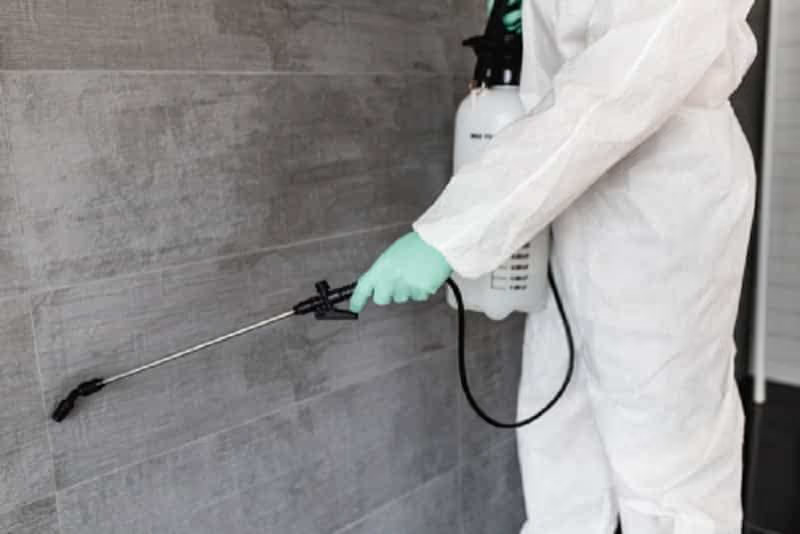
Exposed to Pesticide Spray? First Aid and 10 Ways to Stay Safe
If a pesticide gets on your skin or in your eyes, or you breathe it in or swallow it while dealing with pests at home, what matters is first aid and expert advice, not a home “detox”. Here is what to do right away, and ten ways to keep pesticide exposure low in the first place.
If You Have Been Exposed to a Pesticide
Health Canada’s advice for accidental poisoning is to call a poison control centre right away and get medical help, follow the first aid statements on the product label, and take the label or container with you to the emergency room or doctor.
- In British Columbia, call the BC Drug and Poison Information Centre at 1-800-567-8911 or 604-682-5050. The line is open 24 hours a day.
- Call 9-1-1 right away if the person is having a seizure, difficulty breathing or chest pain.
- If it is on your skin or clothes, take off the affected clothing and wash your skin with plenty of soap and water, unless the label says otherwise.
- Follow the first aid statements on the label, and keep the container with you so you can read the product name and registration number to the poison centre.
Do not take activated charcoal, supplements or other “detox” products to treat a pesticide exposure unless a poison centre or doctor tells you to. Home remedies are not a treatment for poisoning, and they can delay the care you need.
10 Ways to Keep Pesticide Exposure Low
These are drawn from Health Canada’s Use pesticides safely guidance for homeowners.
1. Read the Whole Label First
Read all label instructions and warnings before using a pesticide, and use it only for the purpose the label states. Never mix different pesticides unless the label tells you to.
2. Use Only a Registered Product
Look for a Pest Control Products (PCP) registration number on the label. Pesticides bought online from foreign vendors may not be authorized for use in Canada and may not be safe to use.
3. Clear People and Pets Out
People and pets should leave the area during a treatment, especially children, pregnant women and elderly people. Only let them back in once the pesticide has fully dried.
4. Stay Out for at Least 12 Hours
Health Canada advises staying out of a treated area for a minimum of 12 hours after application, unless the label gives a longer time.
5. Wear What the Label Asks For
That may include gloves, long sleeves, an apron or coveralls. Keep sleeves outside your gloves and pant legs outside your boots so the product cannot get inside.
6. Keep Your Hands Away From Your Face
Don’t eat, drink or smoke while applying a pesticide, and don’t rub your eyes or touch your mouth.
7. Wash Up Afterwards
Wash your hands and face with hot soapy water, and wash the clothes you wore separately from your regular laundry.
8. Protect Food Areas Indoors
Cover or remove food, dishes, utensils, aquariums and pet food dishes before treating, and open doors and windows for a few hours. Once the pesticide has dried, wash counters, tables and stove tops with hot soapy water.
9. Check the Weather Before Spraying Outdoors
Don’t spray outdoors if the wind is over 8 km/h, the temperature is above 30°C, or it is raining.
10. Store Pesticides Safely
Keep pesticides in their original container, out of reach of children and pets, and away from food and drink. Never reuse an empty pesticide container.
When to Call a Professional
Health Canada also suggests considering a licensed pest control operator. If you would rather a professional deal with pests for you, our licensed technicians can treat the problem and tell you when it is safe to go back into the treated area. Learn more about our pest control service.
This article is general safety information, not medical advice.
Also Read: How Does Pesticide Affect The Body?

HomeStars Best of the Best Award Winner