Why Eco-Friendly Pest Control is the Future of Carpenter Ant Management
Carpenter ants are a common concern for homeowners and businesses, especially in areas like Vancouver. These ants can cause significant damage to wooden structures, leading to costly repairs if not addressed promptly. Traditional methods of controlling carpenter ants often involve chemical pesticides, which can pose risks to human health and the environment. As we move into 2025, there’s a growing shift toward eco-friendly pest control solutions that are both effective and environmentally responsible. This blog explores why eco-friendly pest control is preferred for managing carpenter ant infestations.
Understanding the Carpenter Ant Problem
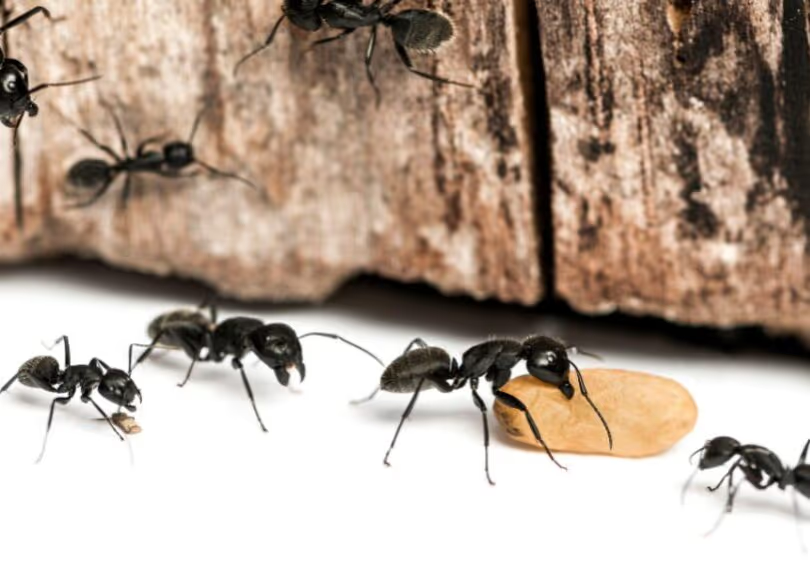
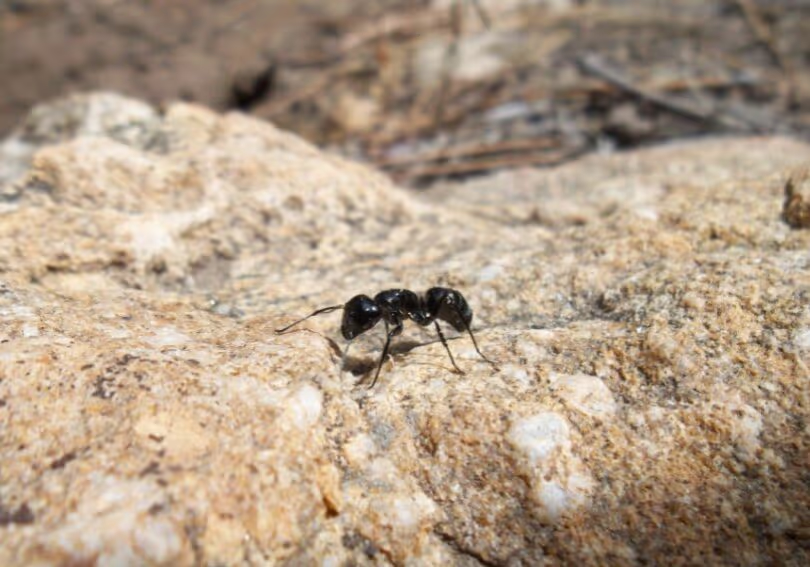
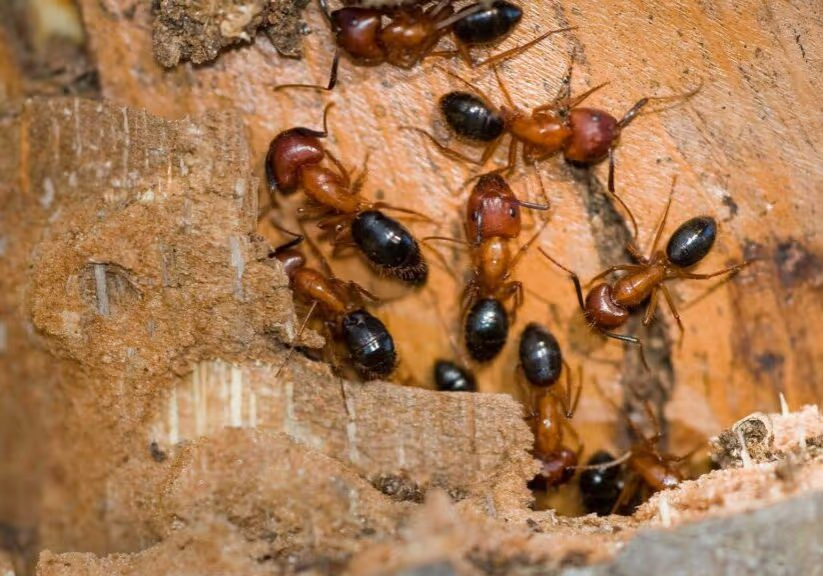
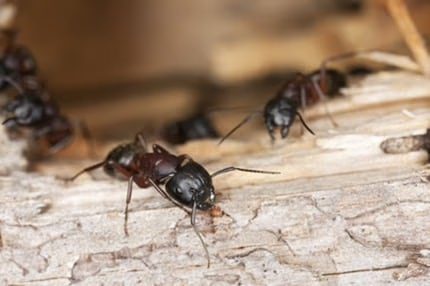
Carpenter ants are large ants known for nesting in wood. Unlike termites, they don’t consume wood but excavate it to create smooth tunnels and galleries for their nests. This behaviour can lead to structural damage over time.
Signs of a Carpenter Ant Infestation
Identifying a carpenter ant infestation early can prevent significant damage. Here are some common signs to watch for:
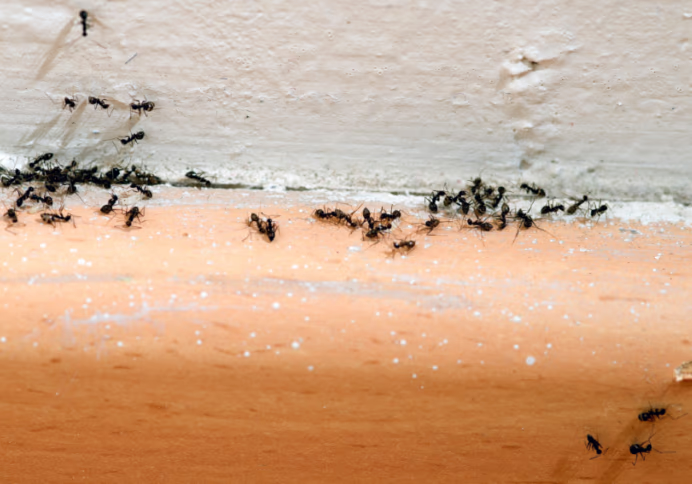
- Presence of Large Ants Indoors: Spotting large, black or dark brown ants, especially in areas like kitchens or bathrooms, can indicate an infestation.
- Piles of Sawdust-Like Material (Frass): As carpenter ants excavate wood, they produce frass, which resembles sawdust. Finding unexplained piles of this material near wooden structures is a strong indicator.
- Rustling Noises Inside Walls: Faint rustling sounds, especially at night, may suggest ants are active within your walls.
- Winged Ants (Swarmers): Seeing winged ants emerging from walls or ceilings, particularly in spring, signals a mature colony nearby.
Why Carpenter Ants Are a Serious Threat
While carpenter ants don’t eat wood, their nesting habits can compromise buildings’ structural integrity. Over time, their excavation can weaken support beams and other wooden components, leading to costly repairs. Promptly addressing an infestation is crucial to preventing extensive damage.
The Shift Toward Eco-Friendly Pest Control
In recent years, there’s been increasing awareness about the adverse effects of chemical pesticides on our environment. These substances can harm beneficial insects, contaminate water sources, and disrupt local ecosystems. As a result, many people are looking for safer, more natural ways to manage pests like carpenter ants.
Health Risks of Traditional Pesticides
Using chemical pesticides impacts the environment and poses health risks to you and your loved ones. Exposure to these chemicals has been linked to various health issues, especially in children and pets. This has led to a growing demand for pest control methods that are both effective and safe for households.
Regulations and Consumer Demand
Governments are responding to these concerns by introducing stricter regulations on pesticide use. For instance, the European Union plans to ban imports of crops treated with prohibited pesticides within its member countries. This move aims to protect consumers and ensure that food products meet high safety standards. Such regulatory changes reflect a broader trend: Consumers increasingly seek eco-friendly pest control solutions that align with their health and environmental values.
Eco-Friendly Carpenter Ant Management Solutions
Managing carpenter ants doesn’t have to involve harsh chemicals. Several natural and effective methods exist to address infestations while keeping your home and the environment safe.
1. Biological Control Methods
- Beneficial Nematodes: These microscopic worms are natural predators of many soil-dwelling insects. When introduced into the soil around your home, they can attack the larvae of carpenter ants and help reduce carpenter ant populations.
2. Plant-Based and Organic Repellents
- Essential Oils: Oils like peppermint, tea tree, and citrus have strong scents that deter carpenter ants. Mixing a few drops with water and spraying it along ant trails and entry points can help keep them at bay.
- Diatomaceous Earth: This natural powder, made from fossilized algae, can be sprinkled in areas where ants are active. It works by dehydrating ants upon contact.
3. Baiting with Non-Toxic Alternatives
- Boric Acid and Sugar Mixture: Combining boric acid with sugar creates an effective bait. The sugar attracts the ants, and the boric acid acts as a natural poison, which they carry back to their colony.
4. Physical and Preventative Measures
- Sealing Entry Points: Regularly inspect your home for cracks and crevices, especially around windows and doors, and seal them to prevent ants from entering.
- Moisture Control: Carpenter ants are attracted to damp wood. Fixing leaks and ensuring proper ventilation can make your home less inviting to them.
- Natural Deterrents: Substances like vinegar and lemon juice can disrupt ant trails. Wiping surfaces with these solutions can deter ants from returning.
Integrating these eco-friendly methods allows you to manage carpenter ant issues effectively without relying on harmful chemicals.
Advantages of Eco-Friendly Pest Control for Carpenter Ants
Choosing eco-friendly methods for managing carpenter ants offers numerous benefits. These methods ensure effective pest control while prioritizing the health of your household and the environment.
Long-Term Effectiveness
- Sustainable Solutions: Eco-friendly pest control focuses on long-term prevention by addressing the root causes of infestations, such as eliminating moisture sources and sealing entry points. This proactive approach reduces the likelihood of recurring problems.
- Reduced Resistance: Overusing chemical pesticides can lead to pests developing resistance, making treatments less effective. Natural methods minimize this risk, ensuring continued efficacy.
Safer for Families and Pets
- Non-Toxic Treatments: Natural substances like essential oils and diatomaceous earth ensure that pest control measures are safe for humans and pets, reducing the risk of exposure to harmful chemicals.
- Healthier Living Environment: Eco-friendly methods help maintain indoor air quality by avoiding volatile organic compounds (VOCs) commonly found in synthetic pesticides.
Environmentally Responsible Choice
- Protecting Ecosystems: Natural pest control methods minimize harm to non-target species, preserving beneficial insects and maintaining ecological balance.
- Reducing Pollution: By avoiding chemical runoff, eco-friendly practices help protect soil and water sources from contamination.
Cost-Effective in the Long Run
- Preventative Measures: Investing in eco-friendly solutions often involves implementing preventative strategies that can reduce the need for repeated treatments, leading to cost savings over time.
- Avoiding Property Damage: Effective management of carpenter ants prevents structural damage to your home, saving you potentially expensive repairs.
Embracing eco-friendly pest control addresses carpenter ant issues effectively and aligns with a commitment to health, safety, and environmental stewardship.
How Pesticon Is Leading the Way in Eco-Friendly Pest Control
Pesticon Pest Control, with decades of experience, is dedicated to providing effective and environmentally responsible pest management solutions. Recognizing the growing need for sustainable practices, Pesticon has integrated eco-friendly methods into their services, ensuring the safety of your family, pets, and the environment.
Eco-Friendly Treatments for Carpenter Ants
Understanding the potential harm of traditional chemical pesticides, Pesticon employs alternative strategies for carpenter ant removal in Vancouver:
- Use of Organic Pesticides: Pesticon utilizes human-grade organic pesticides that effectively target carpenter ants without posing risks to occupants or the environment.
- Integrated Pest Management (IPM) combines eco-friendly methods, such as biological controls, habitat modification, and physical barriers, to sustainably manage and prevent carpenter ant infestations.
Commitment to Safety and Effectiveness
Pesticon’s licensed and certified technicians are trained in the latest eco-friendly pest control techniques. Their comprehensive process includes:
- Thorough Inspection: Identifying the extent of the infestation and potential entry points.
- Customized Treatment Plan: Developing a strategy tailored to your situation, focusing on non-toxic and environmentally safe methods.
- Ongoing Monitoring and Prevention: Implementing measures to prevent future infestations, such as sealing entry points and providing guidance on maintaining an uninviting environment for pests.
Customer Satisfaction and Trust
Their numerous positive reviews and industry awards reflect Pesticon’s dedication to quality service. Their transparent pricing, prompt response times, and effective eco-friendly solutions have made them a trusted choice for pest control in Vancouver.
By choosing Pesticon, you’re choosing a company that prioritizes effective carpenter ant removal and environmental responsibility.
Take Control of Carpenter Ants the Eco-Friendly Way
If left untreated, carpenter ant infestations can cause severe damage to your property. However, traditional chemical-based treatments are no longer the only option. As we move into 2025, eco-friendly pest control for carpenter ants in Vancouver is becoming the preferred approach due to its effectiveness, safety, and long-term benefits.
You can eliminate carpenter ants while keeping your home, family, and the environment safe by choosing natural solutions, such as biological controls, plant-based repellents, and non-toxic baiting systems. Pesticon is at the forefront of this movement, providing affordable carpenter ant removal in Vancouver using sustainable, non-toxic methods that deliver lasting results.
If you’re facing a carpenter ant problem, now is the time to switch to an eco-friendly solution. Contact Pesticon today for expert, environmentally responsible pest control for carpenter ants in Vancouver. Our team is ready to help you protect your home without harming the planet.
Pest Control Services

HomeStars Best of the Best Award Winner