
Practice Proper Sanitation
Proper sanitation of the environment: making your home inhabitable for insects as much as possible by keeping things as clean as possible and reducing the foods that attract them to the minimum level.
Award-Winning Pest Control Company — Decades of Pest Control Experience.













Pesticon Pest Control Inc.
1450 west Broadway Vancouver BC, V6H 1H4
Phone: +1 (604) 229-1097
Surrey, Burnaby, Langley, Richmond, Coquitlam, North Vancouver & West Vancouver

Pavement ants are also known as Tetramorium caespitum, they are a very common form of ants in Vancouver. They get their name from the common places where their nests are found - inside or underneath pavement cracks, under sidewalks, foundations, driveways, and other cemented areas. However, pavement ants can also nest in exposed areas such as in decaying wood, in masonry, and under stones.
Pavement ants are very territorial and can fight with other pavement ant colonies to defend their territory and attack when they need to expand their territory into a new area that has an ant colony already, especially in the spring and early summer.
They do not cause structural damage to buildings but can constitute a nuisance especially when there is an expansion of their colony. They are swarming insects, when looking for potential nesting sites they may be troubling to residents and landlords.
Pavement ants are one of the major ants in Vancouver and are drawn to heat sources and sometimes fly upward and around lights and to other warm places- this makes Vancouver an ideal ground for them. Therefore, this article is dedicated to enlighten you about pavement ants in Vancouver, so read on.
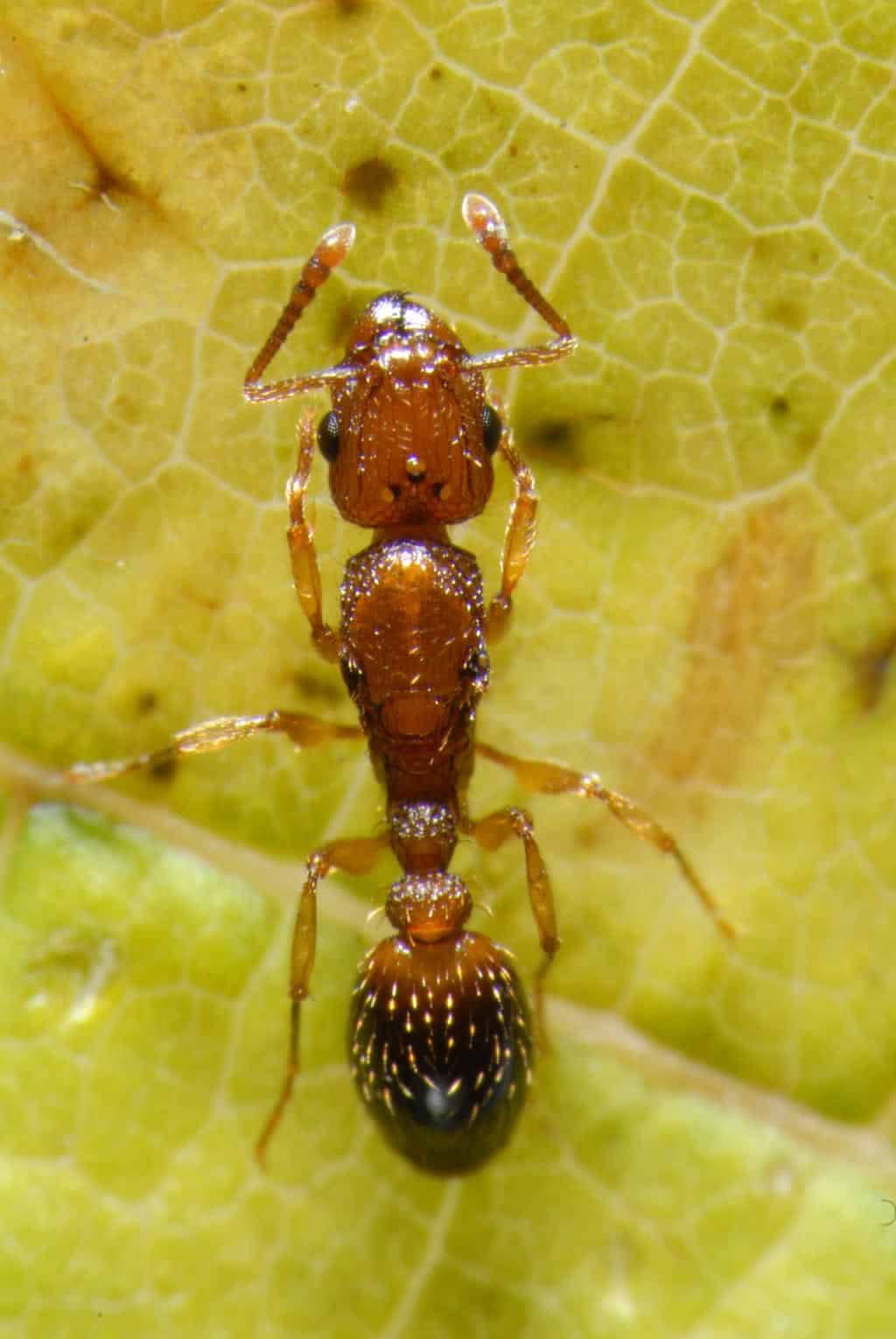
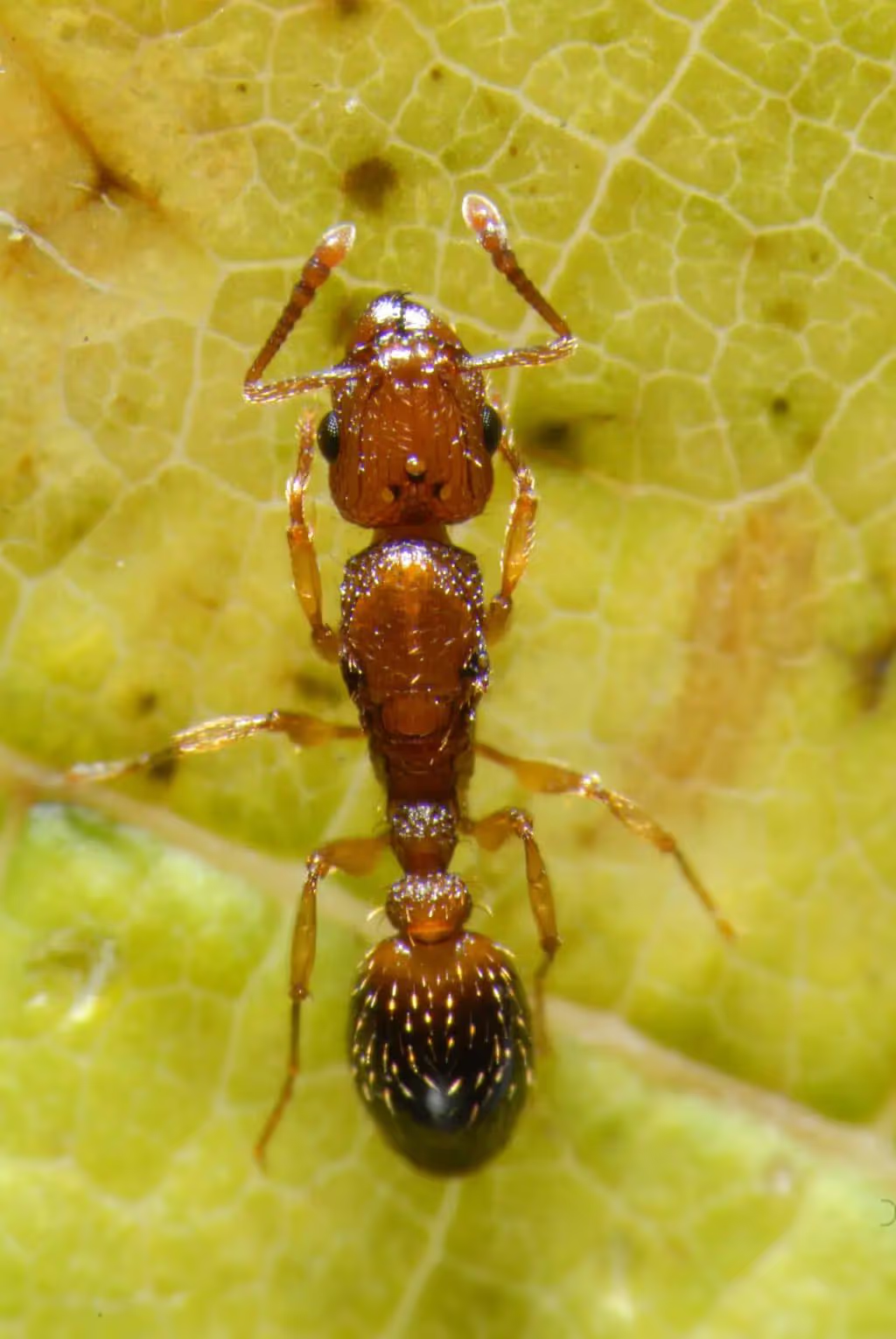
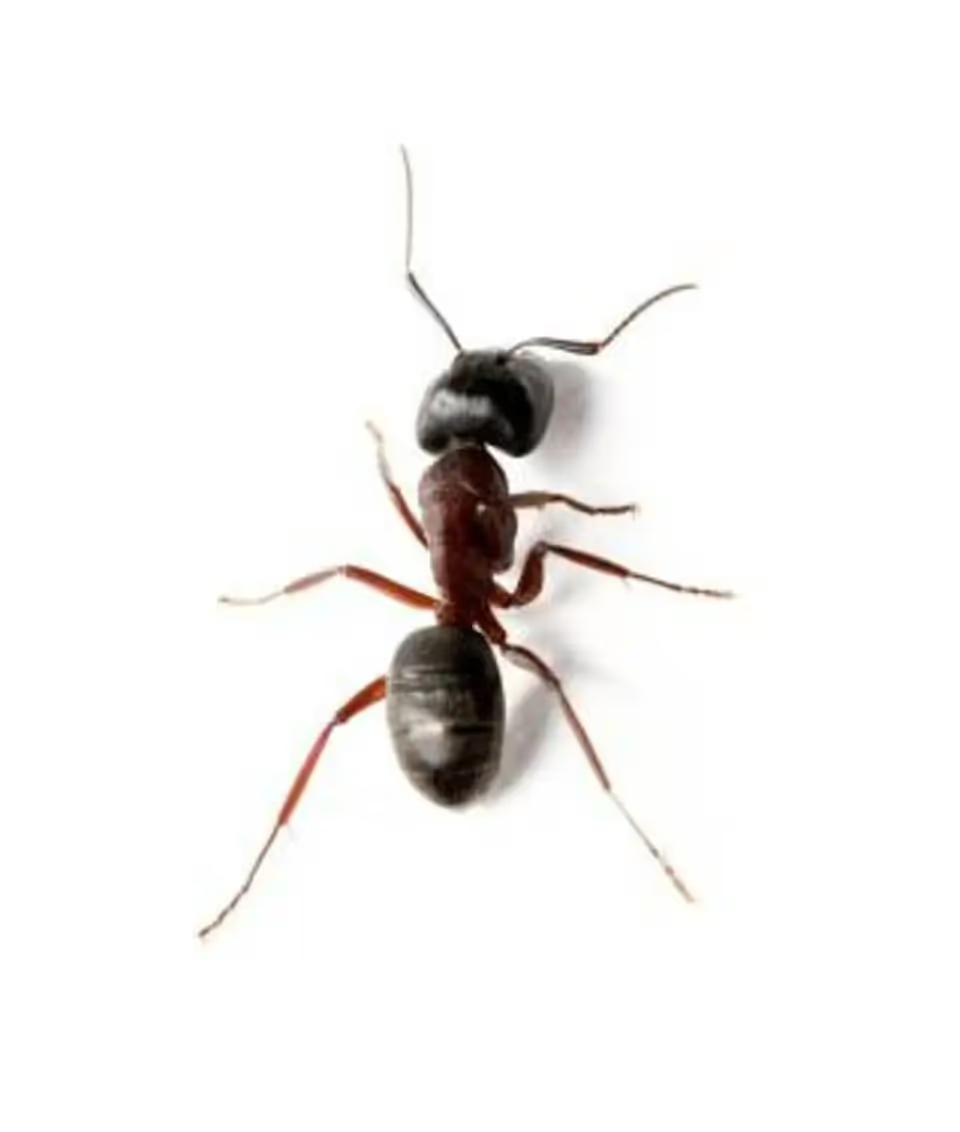
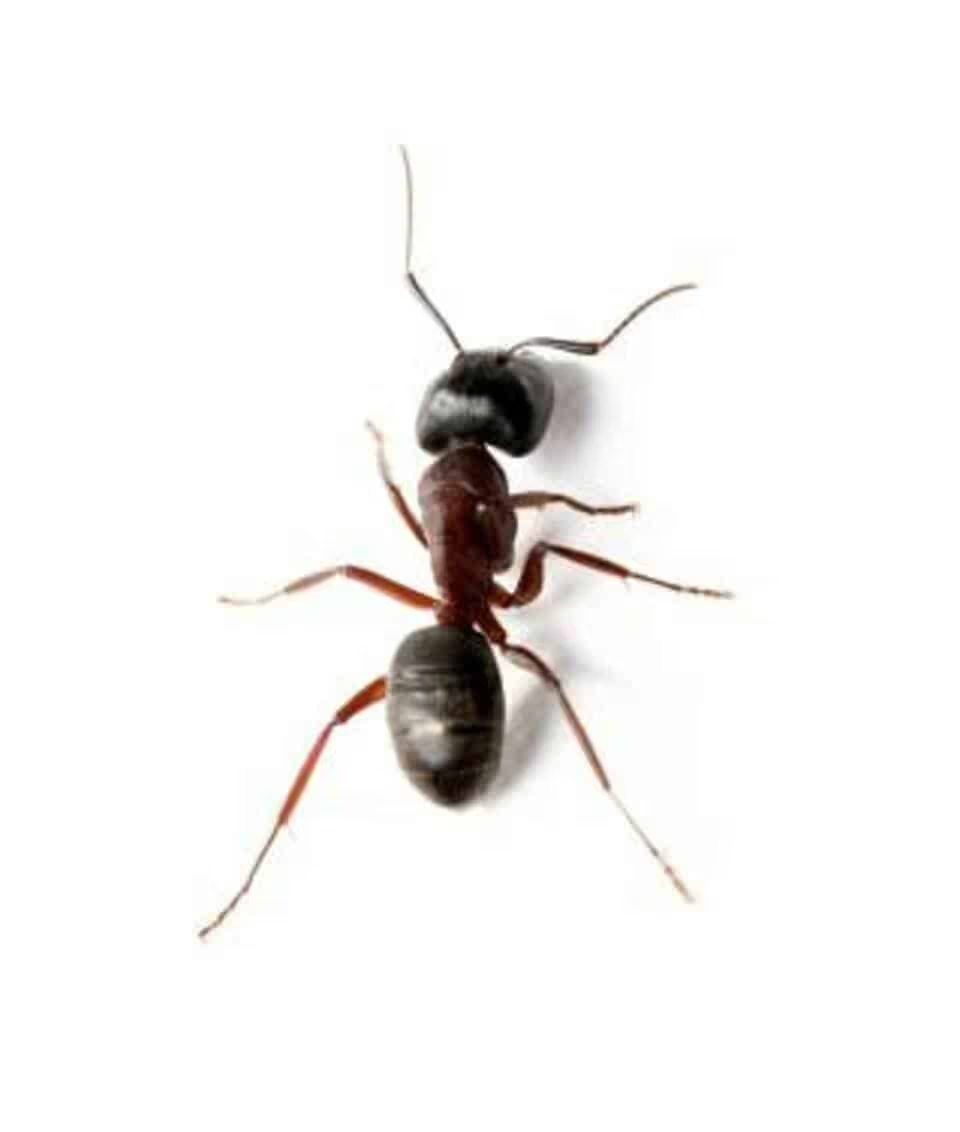
Pavement ants are dark brown to black in color having six legs and an antenna with wings. They typically measure 2.5 – 3.0 millimeters in length. They actually have a stinger which is primarily used when fighting with other ants because they are highly territorial, but they are rarely aggressive towards humans.
Pavement ants are nuisance ants in Vancouver whose populations are increasing daily. This is because Vancouver is a suitable ground for pavement ants to nest. It is a tropical region; therefore they are drawn to it especially during cold winter months.
They enter homes through cracks in the building’s concrete slab, bathroom traps, sub-slab heating ducts, and other small gaps. These ants are capable of following a trail as far as 30 feet when foraging and multiple colonies can infest a single structure and cause trouble for residential and commercial customers.
Pavement ants, both the natural scavengers and outdoor pavement ants can thrive in human environments because they can feed on almost everything such as meat, plants grease, bread, and other edible substance they come in contact with though they have a strong preference for aphids and honeydew that they secret.
Pavement ants are also called “sugar ants” which should not be confused with Camponotus consobrinus an Australian ant that is also called “sugar ants. They are mostly attracted to sugar and crumbs from sweet foods and can also be attracted by fats, grease, proteins, grains, cereal, and pet food. Having these food items littered in your home calls their attention.
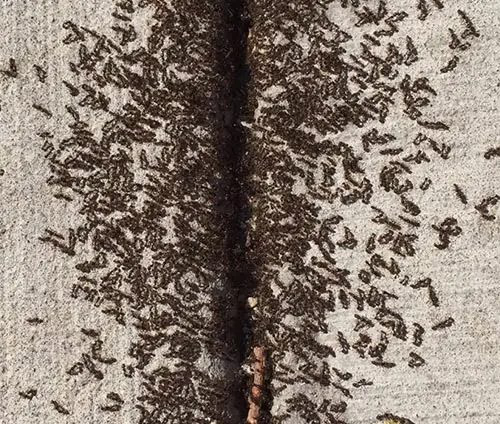
Generally, most pavement ants choose to stay outdoors, but you will tend to find these ants inside when they hunt for food, and sometimes when seeking sources of heat during winter. They migrate along pipes and baseboards, electrical lines, close to edges of carpeting, cracks and holes in buildings. You can identify their infestation through the following ways;
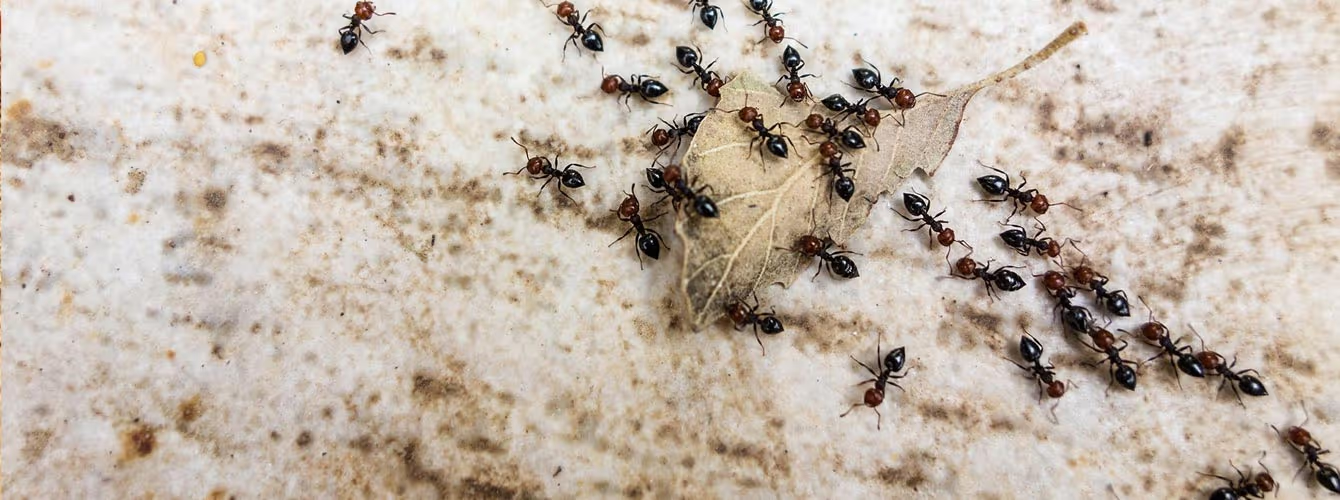
When you find a dark brown or black ant consistently over a period of time especially in the kitchen, they might be nesting somewhere close inside your home. These trails you see are the pavement ant worker hunting for food.
A heap of ant dump which is usually dirt, tiny pieces of concrete or mortar, debris pushed out when pavement ants make their nest are signs that they are in your home.
When you see swarming insects, that is, a large number of insects moving in one direction. This usually occurs when they are migrating to a new colony within your home or fighting against another pavement ant colony.
Pavement ants can be very difficult to control. Though these ants do not pose a risk to public health, they can contaminate your food and must be avoided. So the best method is to prevent them as much as possible. The following are ways you can prevent them.
Proper sanitation of the environment: making your home inhabitable for insects as much as possible by keeping things as clean as possible and reducing the foods that attract them to the minimum level.
Eradicate stagnant water around your home, pests such as ants are attracted to a moisture-rich environment.
Make sure that there are no cracks in slabs, gaps in utilities, or little openings around your home because these insects use these as passages to get into your house to forage for food or to seek warm spots during winter.
Cut back tree branches and other plants that are close to your home, sometimes these ants use this as a means of getting into your home.
Eliminate waste properly; your trash bin should be covered properly.
Pavement ant does not damage woods but they can make their nest in it, so make sure you remove woods and other building materials that are stacked close to your home
Having followed these ways of preventing them, their nests can be very difficult to locate, and most products for ants control are ineffective on pavement ants as sometimes the treatments may only affect the pavement ant workers leaving the queens which may lead to reproductive overdrive and more colonies are formed and they continue to survive.
It is best to contact a pest technician that is skilled and trained for pavement ants removal to assist you to locate nesting areas and identify conditions contributing to the infestation and finally eradicate them from your home.
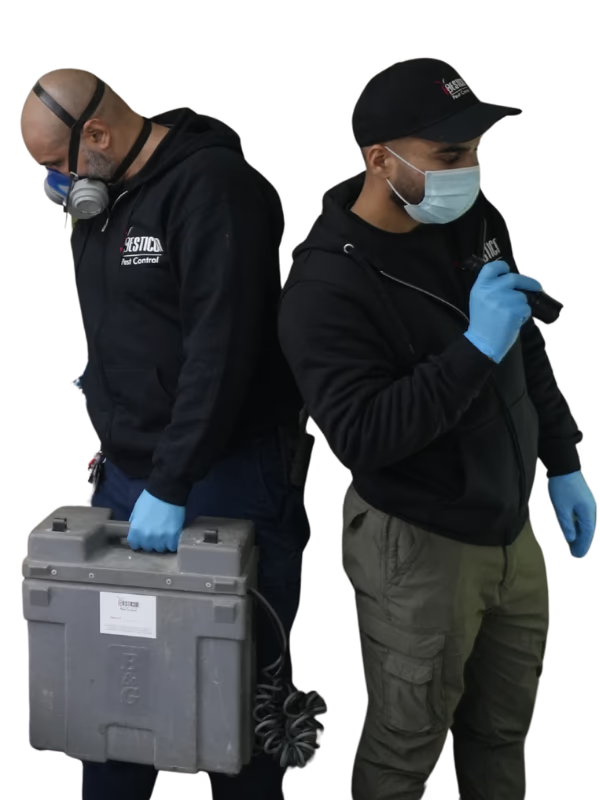
At Pesticon Pest Control, we ensure to satisfy you optimally by providing professional services that eliminate pests. Our trained pest technicians ensure your homes and offices are free of this pest. We are quick to respond to your urgent calls. Contact us now for ant control in Vancouver!!!
Need broader coverage? See all our pest control Vancouver services across Metro Vancouver.
4.8 Average Rating | 153 Reviews
“Pesticon did an incredible job! The technician arrived on time, explained everything clearly, and solved our ant problem in just one visit. Highly professional and would absolutely recommend to anyone in Vancouver dealing with pests.”
7 months ago
Thelma Lambert
“I had a persistent pest problem that was driving me crazy, but Pesticon Vancouver took care of it quickly and effectively. The service was professional, the technician was knowledgeable, and the problem hasn't come back. Very satisfied.”
7 months ago
Band Contest Wellspring
“Amazing experience! They responded quickly and handled the pest issue with care. I haven't seen a single bug since! Highly recommend Pesticon to everyone in the Greater Vancouver area.”
7 months ago
Tarik Gafic
“Fantastic experience! Pesticon's staff were courteous, efficient, and thorough. They solved our pest issue completely, and the results have lasted for months. Truly a five-star service.”
6 months ago
Edla Nissi Christina
Our Expert Pest Control Technicians serve Vancouver and the surrounding area with same day or next day service. If you're having a pest or wildlife control issue, please contact us for a free quote. Explore our full pest control Vancouver services.