
Getting Rid of Bed Bugs: What You Can Do Yourself and What Needs a Professional
Short answer: Washing, drying and vacuuming help with your belongings, and they make a treatment possible. They do not, on their own, clear bed bugs that are hiding in a bed frame, furniture or the building. HealthLink BC advises seeking a qualified pest management professional and says multiple applications will likely be necessary. No single household step is a complete fix.
There are really three different jobs in a bed bug problem, and they get mixed together. Preparing the room, treating the things you own, and treating the infestation are not the same thing.
The three jobs compared
| Job | What it covers | What it cannot do | Follow-up |
|---|---|---|---|
| Preparation | Decluttering, vacuuming, bagging laundry so the hiding places can be reached | Kill bed bugs by itself | Ask your provider for its preparation list before the visit |
| Item treatment | Washing in hot water and drying on the hottest setting; a hot dryer for small non-washable items | Reach bugs in the bed frame, furniture, walls or neighbouring suites | Keep treated items sealed so they are not re-exposed; report any new sighting |
| Professional treatment | An inspection, then a treatment chosen for the property | Work well if the room is not prepared or if new sightings are not reported | The number and timing of visits is set after the inspection |
Job 1: prepare the room
Preparation makes treatment possible. These steps follow HealthLink BC's bed bug guidance:
- Reduce clutter, so there are fewer places to hide and fewer things to treat.
- Vacuum seams, crevices and baseboards. Use a vacuum with a hose and attachments, and empty it into a sealed plastic bag straight away. HealthLink BC says handheld vacuums and vacuums with cloth bags or fabric hoses are unsuitable for bed bug clean-up.
- Use a scrub brush on mattress seams to dislodge bugs and eggs.
- Ask your provider whether furniture should be pulled away from the walls so the edges can be reached.
- Do not throw out a mattress or furniture before it is inspected. Carrying infested items through a building can spread the problem.
Job 2: treat what you can wash or dry
HealthLink BC advises washing bedding, clothing and backpacks in hot water with laundry detergent and drying them on the hottest dryer setting. Small non-washable and dry-clean-only items can go in a hot dryer for 30 minutes or more. Check the care label first: heat can damage some items. Once clean and dry, store them in sealed, heavy-duty plastic bags or lidded plastic bins so they are not re-exposed.
Steam is limited. HealthLink BC notes that steam only kills the bed bugs it touches. This is item care, not a treatment for the home.
Job 3: the infestation itself
Bed bugs live in more than your bedding: HealthLink BC lists the area under and behind furniture, especially bedroom furniture, including mattresses and box springs. Washing the laundry does not reach any of that.
Over-the-counter sprays are a particular risk. HealthLink BC says to check that a product label has a Pest Control Products (PCP) number and is registered specifically for bed bugs, and never to use any treatment on people, pets or bedding unless the label says so. It also says not to use pesticides on baby cribs, playpens or toys, and that qualified pesticide professionals are recommended for applying chemical treatments.
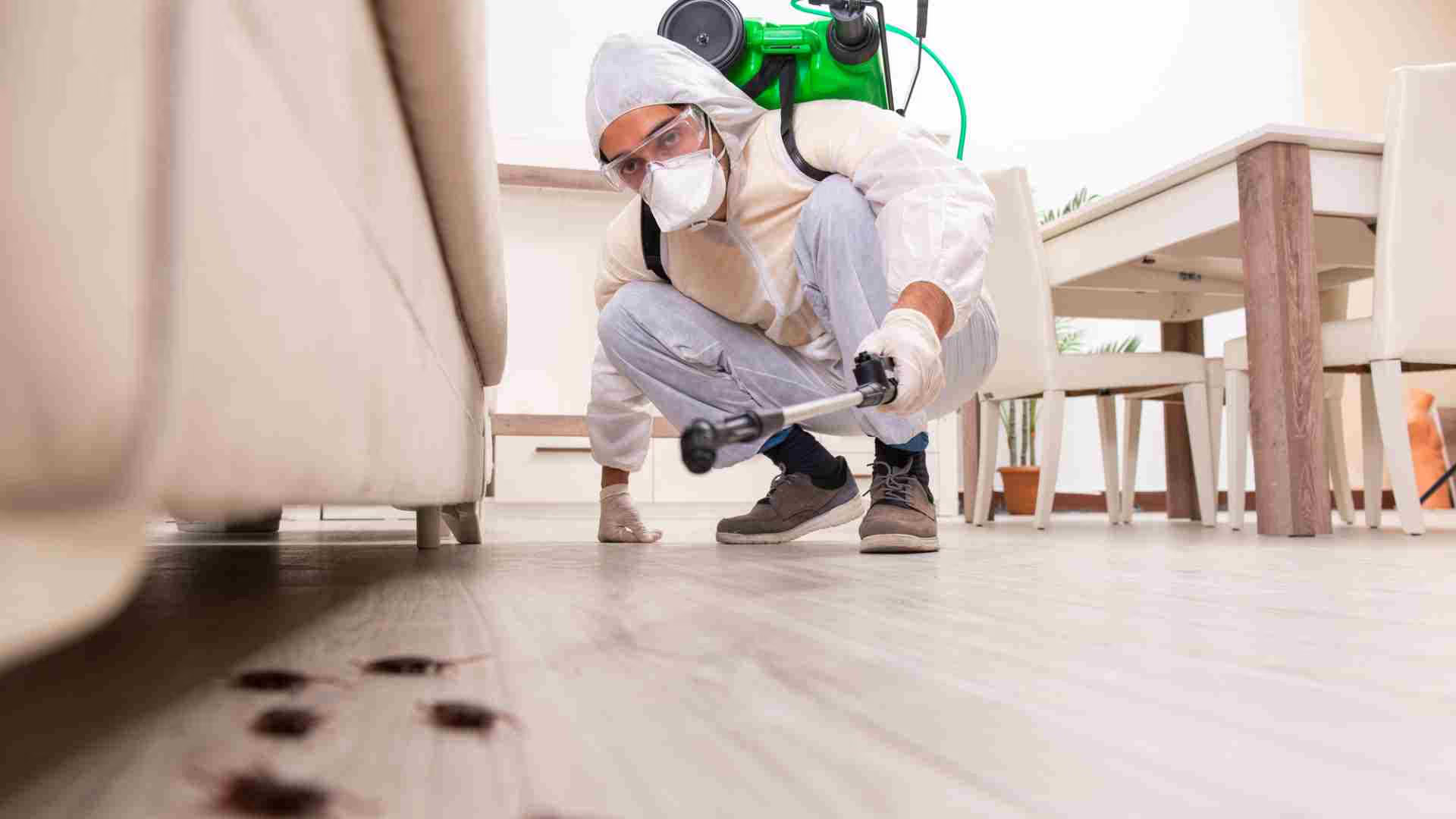
A professional starts with an inspection and recommends a method based on the infestation and the layout of the property. Heat and chemical treatments are both used, and the number of visits is set after the inspection. Bed bug work at Pesticon is from $495, depending on the work required. For how one of those methods works, see how heat treatment works.
How to know whether you have bed bugs first
Bites alone do not confirm it. HealthLink BC says some people do not react to bites at all. Look for dark spotting on sheets, mattress or bed frame, live or dead bugs, and shed skins. If you find them, photograph them before you wash anything, and read where else bed bugs can hide before you start moving things around. If you are not sure what you have, an inspection can confirm it.
If you rent, tell your landlord in writing. Who arranges and pays for treatment depends on your tenancy.
When the signs point to an established problem, bed bug removal in Vancouver starts with a free inspection.
Free Pest Control Quote
A reply the same day, or within 24 hours if you call after hours.
Bed bug treatment starts from $495, depending on the work required.