
Rodent Treatment With Pets at Home: Questions to Ask and What to Do if a Pet Is Exposed
If you think your dog or cat has eaten rat or mouse poison, call your veterinarian or an emergency animal hospital now. Do not wait for symptoms. Take the product packaging with you. This article is about planning rodent control around pets, not about treating a poisoned animal at home.
What to do if a pet may have been exposed
- Call your veterinarian or the nearest emergency animal hospital immediately. The ASPCA says to "take your pet and the packaging information to your veterinarian immediately", or to call ASPCA Animal Poison Control at (888) 426-4435, which says it is open 24 hours a day and that a consultation fee may apply. Pet Poison Helpline, staffed by veterinary toxicology specialists, is at (855) 764-7661 and also charges a fee. Both services are based in the United States.
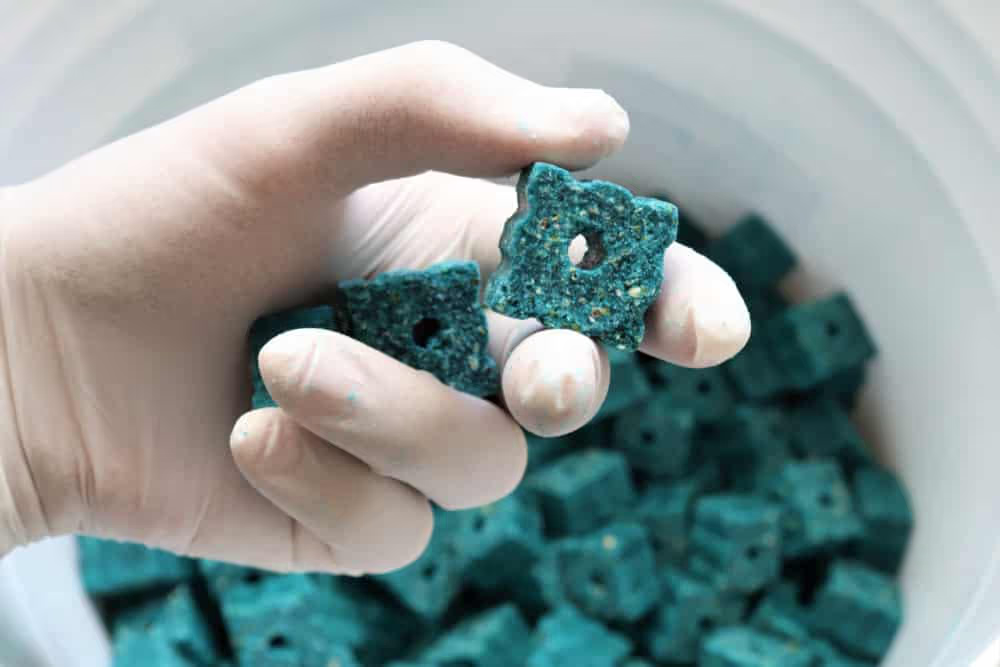
- Keep the original packaging or receipt. The ASPCA says the type of rodenticide cannot be identified by how it looks, and Pet Poison Helpline says the active ingredient is identified from the label, not the colour or shape of the product. If you cannot find the package, it also says "treatment is still possible", so do not delay the call to look for it.
- Note what you can: your pet's weight, when it may have eaten the product, and roughly how much.
- Do not try home remedies. Follow the instructions of your veterinarian or the poison control line.
The ASPCA notes that anticoagulant rodenticides can cause internal bleeding and death within 3 to 5 days after ingestion, and that prompt veterinary care is key. Pet Poison Helpline says signs of long-acting anticoagulant poisoning include weakness, difficulty breathing and bleeding, with death occurring several days after the poison is eaten. Signs can take time to appear, which is the reason not to wait for them.
Why exposure can be indirect
Rodenticide is not only a risk in your own home. A pet can reach a bait someone else has put out in a shared yard, hallway or building. HealthLink BC also warns that poisons can harm pets, wild animals and children, and that a poisoned rodent can die where you cannot find it. If you rent, ask what treatment other units or the building has used. A bait left out by a neighbour is not under your control.
Choosing rodent control in a home with pets
Health Canada says poisoned baits must be in a tamper-proof bait station wherever children and pets can reach, and that baits should not be the only method. Anticoagulant poisons "are usually highly toxic" and need to be kept away from children and pets. HealthLink BC says it is not a good idea to use poison to control rodents in the first place.
That points to a plan built on sealing and traps, with bait as a last resort and only with a station. In practice:
- Seal the entries first. If rodents cannot get in, there is less to control. See where mice and rats get in.
- Remove food. Health Canada advises storing dry food and dry pet food in metal or glass containers and keeping garbage in containers with tight-fitting lids.
- Place traps where pets cannot reach, such as inside a covered or enclosed trap. Check them daily, as Health Canada says to.
- Ask before any treatment starts. The questions below are the ones to put to any provider.
Questions to ask any provider before treatment
- What device or product will be used, and where will it go? Is anything placed where my dog or cat can reach it?
- Is the bait in a tamper-proof station, and is it fixed in place?
- What is the product name and its Pest Control Products (PCP) registration number? Health Canada says the number shows the product is approved.
- What written precautions will I get, and for how long do they apply?
- Who do I call if my pet gets near it, and how fast will you respond?
- How will dead animals be found and removed? (A poisoned rodent can die where it cannot be found.)
Tell the provider about every pet and any pets that visit, before the visit.
Province-wide, one class of rodent poison (second-generation anticoagulants) has been limited since 21 January 2023 to essential services and the licensed companies they hire. The Province of BC's explanation says that if you are not on the essential services list, you are not allowed to use these products. A homeowner cannot use them, whatever a retailer or online listing says.
When to book an inspection
If you have pets and have found droppings, gnawing or noises, start with an inspection rather than a store-bought bait. Pesticon's mice control page explains how to ask for one.
Free Pest Control Quote
A reply the same day, or within 24 hours if you call after hours.