
Still Seeing Bed Bugs After Treatment? How Follow-Up Works
Short answer: Bed bugs are hard to clear in one step because they hide in places a single application can miss. HealthLink BC says multiple applications will likely be necessary. One new bite or one bug after treatment is a reason to record and report, not proof that the work failed, and there is no universal timetable for when evidence should stop.
Why a single application is often not the end
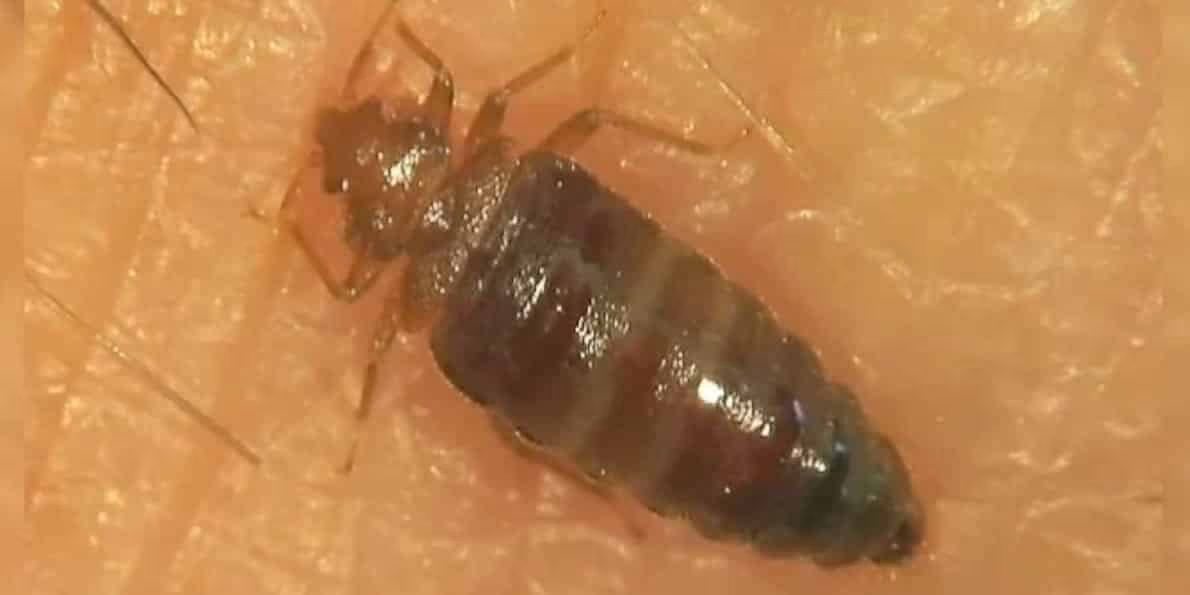
Bed bugs are small, flat and quick-moving, and HealthLink BC says they hide under and behind furniture, in mattresses and box springs. That makes complete contact hard, and it is why follow-up exists. The number and timing of visits depends on the infestation and the method, and is set with your provider after the inspection. Skipping a scheduled follow-up is a common way for a problem to seem to return.
What continuing evidence can mean
After treatment you may still see something. It helps to think about what each sign suggests, and what to do about it:
| What you see | What it can mean | What to do |
|---|---|---|
| A few live bugs after treatment | Activity that a follow-up visit may be meant to deal with, or bugs the treatment has not reached | Photograph them and report them to your provider; do not wait for the next visit |
| Dead bugs and old shed skins | Leftovers, which can stay in place after treatment | Note where they are; a fresh sighting of live bugs matters more |
| New dark spotting on bedding or the frame | Possible continued activity | Note where and when, and tell your provider |
| Bites and nothing else | Not enough to judge the treatment: some people do not react to bites at all | Keep a log; report it if signs also appear |
A new problem can also come from outside. In apartments, bed bugs can travel from neighbouring suites, and a re-infestation is different from a failed treatment. A technician can help tell which. Only an inspection can settle whether the evidence means the bugs are still active, so avoid drawing that conclusion alone.
What to record
- The date, time and room of each sighting.
- A photo of each bug or sign, with the position noted.
- Where you slept or sat before you noticed it.
- Whether you followed the preparation instructions, and any items you moved or brought in since treatment.
This log is more useful to an inspector than a description from memory.
What to do next
- Contact your pest control provider and report it. Do not wait for the next visit if you see live bugs.
- Follow the preparation and aftercare instructions. Ask whether laundered items should stay sealed and when it is safe to unbag them.
- Do not add store-bought sprays. HealthLink BC says to use only products with a PCP number registered for bed bugs and never to use treatments on people, pets or bedding unless the label allows.
- Ask for reassessment if evidence keeps appearing after the scheduled follow-up, after you have reported it and followed the instructions. A different method or a check of neighbouring units may be needed.
- If you rent, put the problem in writing to your landlord, including that the treatment has not ended it.
If you are a Pesticon customer, call and describe what you have recorded. If you have not had treatment yet, bed bug removal in Vancouver covers how inspection and follow-up work.
Free Pest Control Quote
A reply the same day, or within 24 hours if you call after hours.
Bed bug treatment starts from $495, depending on the work required.