
Diatomaceous Earth for Pest Control: What It Can and Cannot Do
Short answer: Diatomaceous earth (DE) is a dust made from fossilized algae. It can help against some crawling insects in dry, undisturbed places. It works slowly, does little where it gets wet or dispersed, does not reach hidden sources, and is not a cure-all. It is not harmless: breathing the dust is a health concern. Use only a product registered for the job, follow its label, and call a professional when the problem is established.
What it does
DE acts physically, not like a conventional insecticide. The fine particles can dry out insects that crawl through them. Health Canada's flea guidance says a thin layer of DE causes adult fleas to dry up when they crawl over it, and that you should be careful not to inhale the dust. Its cockroach guidance adds that DE stays active only as long as it is kept dry. It takes time, and it works only where insects actually walk through a dry layer.
Limits
- Wet or disturbed dust stops working. Humidity, cleaning and foot traffic reduce it.
- It does not reach hidden populations. Insects living in wall voids, or eggs that have not hatched, are not necessarily exposed.
- Results vary by pest. It is not an all-pest answer. A product that suits ants in a dry crack may do nothing for bed bugs, rodents or flying insects.
- It is slow. Do not expect an infestation to be gone in a day.
Grades and labels
Not all DE is the same. Products sold for pest control in Canada carry a registration number (a PCP number) and a label that says which pests and places the product is for. Do not substitute a DE product sold for another purpose because it is cheaper or easier to find. Health Canada advises looking for a Pest Control Products (PCP) number on the label when you buy a pest product. The word "food grade" or "pool grade" on a package does not tell you the product is registered, suitable for your pest or safe to apply indoors; only the registered label does that. If the product has no registration number, do not use it for pest control.
Check before you use it
- Is there a PCP number on the label?
- Does the label name your pest and the place you want to use it?
- What does the label say about dust, protective equipment, and keeping people and pets away?
- If you are not sure, ask a licensed pest control operator what role DE could play for your pest, and what it will not do.
Compare it with other approaches
"Natural versus chemical" is not a useful way to choose. DE is a pesticide product when sold for pest control, and any approach has benefits and risks. Compare them on the following:
| Question | DE | Other treatments |
|---|---|---|
| How does it work? | Physical drying | Varies: bait, residual insecticide, growth regulator, exclusion, heat |
| How fast? | Slow | Varies by method |
| Where does it fit? | Dry, undisturbed cracks and voids, as the label directs | Depends on the pest and the building |
| Main precautions | Do not inhale; keep to label areas | Follow the label; consider pets, children and occupants |
| Does it fix the cause? | No | Only if the method addresses the source and entry |
The right comparison depends on the pest, which is why identifying it comes first.
Exposure precautions
- Apply only as the label directs, in thin layers where insects walk.
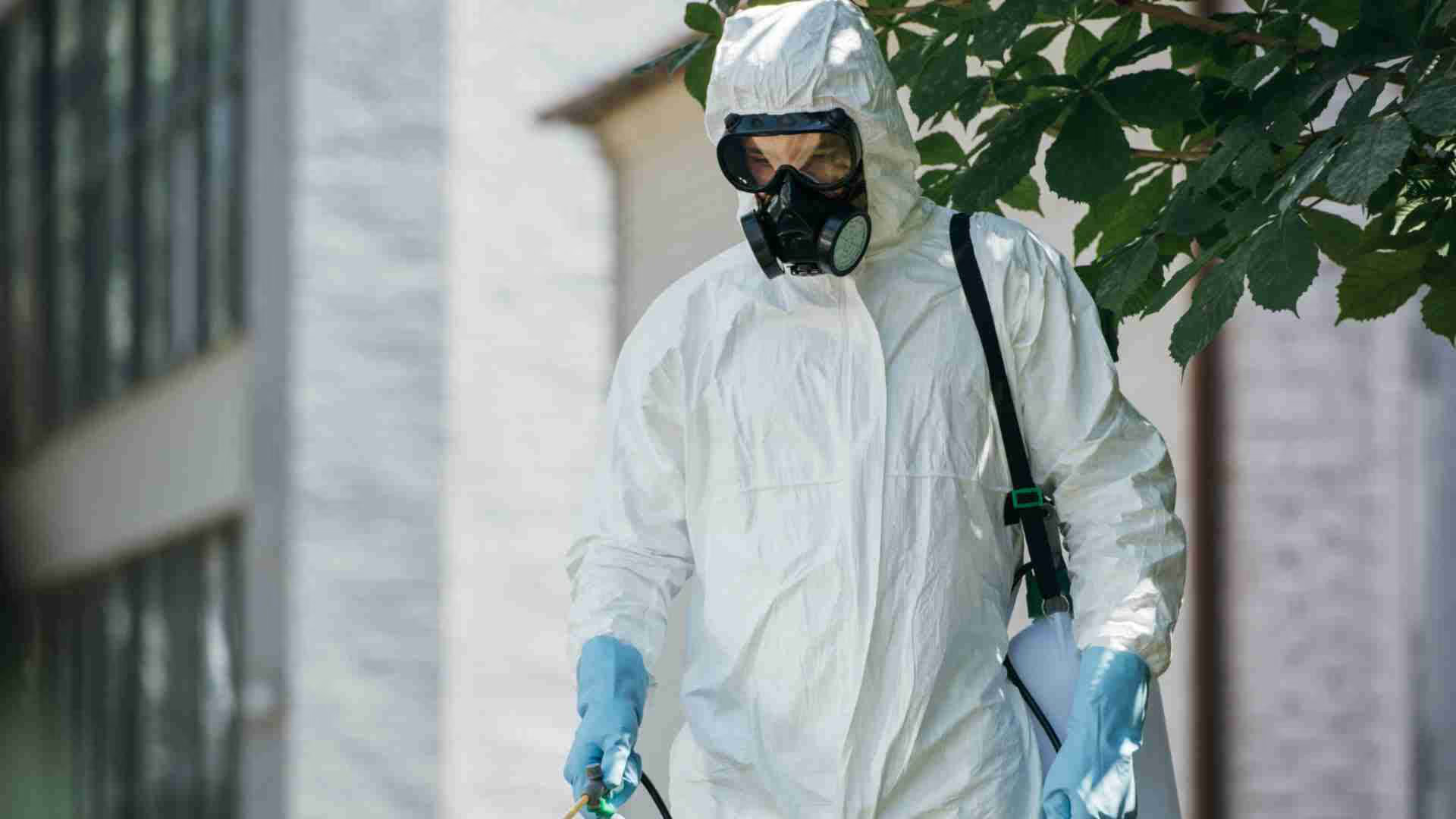
- Avoid creating airborne dust. Wear the protection the label recommends.
- Keep people and pets out of the area during application as the label directs, and do not apply where it can be breathed or tracked.
- Never use DE on a person or pet as a treatment unless a vet directs it.
When another approach fits better
Consider something other than DE, or a professional assessment, if:
- you have not identified the pest
- the problem is in several rooms, inside walls or in a shared building
- you are dealing with bed bugs, rodents, wasps or termites, which need different methods
- the infestation keeps returning after you use it
Identifying the pest first saves money. See our pest control services if you want it assessed. Call (604) 229-1097 (8 AM to 8 PM, Monday to Sunday) or ask for a .
Free Pest Control Quote
A reply the same day, or within 24 hours if you call after hours.