
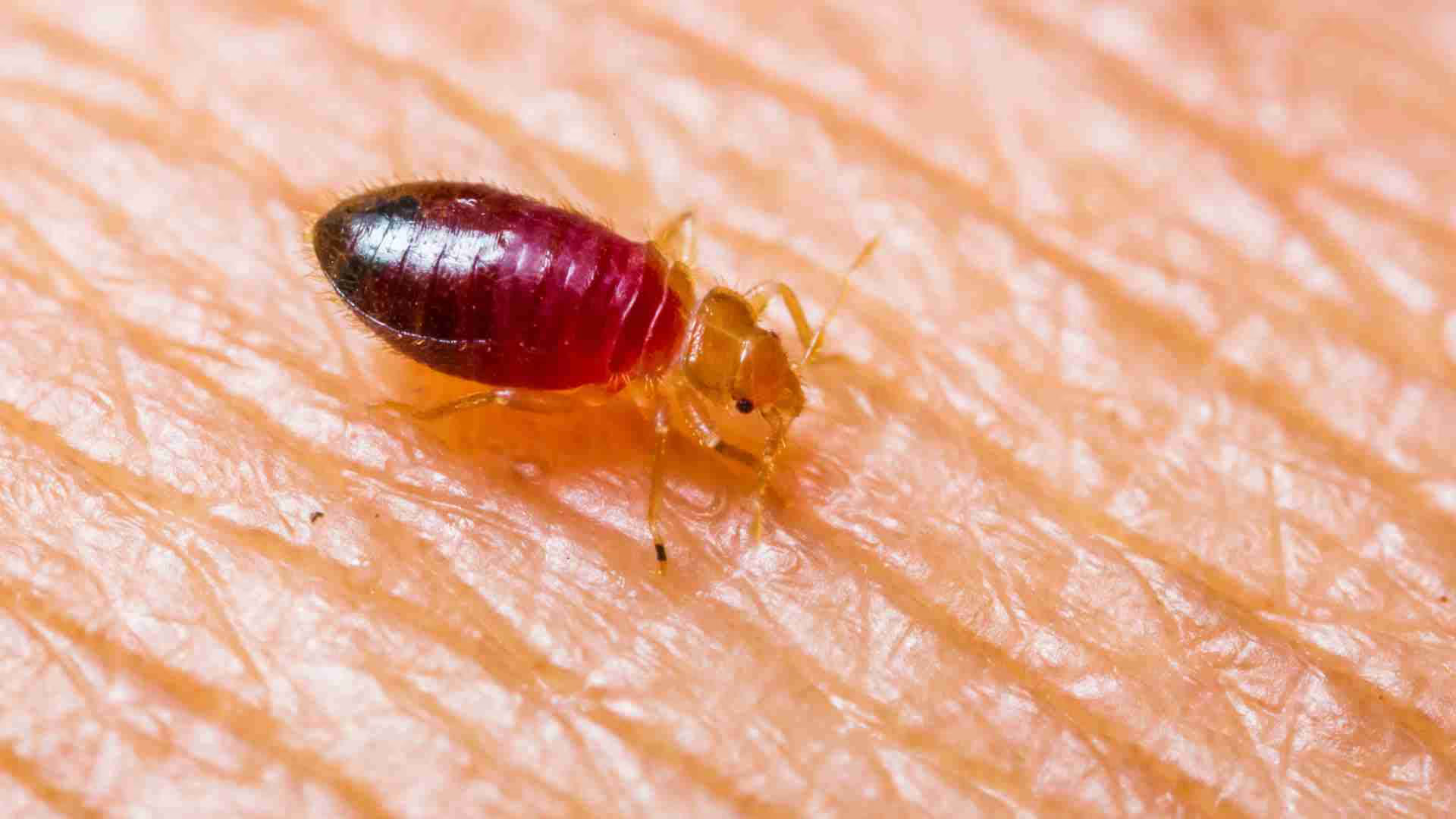
After Sleeping in a Bed With Bed Bugs: What to Do Next
Short answer: Do not panic, and do not start moving things around. Check for evidence, bag and wash what you wore and slept in, and report what you found to a landlord, host or inspector. HealthLink BC says bed bugs are not known to spread disease to humans. Bites alone do not prove you slept among bed bugs.
Step 1: check for evidence, not just bites
A bed bug bite typically causes a red bump or flat welt that may be itchy, HealthLink BC says, but some people do not react at all, and other things cause similar marks. Bites cannot confirm where you slept or what caused them. Look instead for the signs HealthLink BC lists:
- dark spotting or staining on sheets, pillows, mattress, bed frame or clothing (their feces and the blood from crushed insects)
- live or dead bed bugs
- moulted skins
Photograph anything you find, with the location noted. If you find a live bug, you can seal it in a plastic bag so it can be identified (a suggestion from the Tenant Resource and Advisory Centre).
Step 2: contain what you were wearing and carrying
- Put the clothes you wore and used bedding straight into sealed bags, then to the washer. Do not leave them on other beds or chairs.
- HealthLink BC advises washing in hot water with detergent and drying on the hottest dryer setting. Small non-washable items can go in a hot dryer for 30 minutes or more; check care labels first.
- Keep bags and luggage off beds and upholstered furniture until you know more.
- Do not carry belongings to other rooms or another home to "get them away from it". Moving things can spread bugs.
Step 3: what not to do
- Do not rely on disinfectant to clear an infestation. Cleaning is not the same thing as treatment, and HealthLink BC advises getting professional help for an infestation.
- Do not use pesticides on yourself, your pets or bedding. HealthLink BC says never to use any treatment on people, pets or bedding unless the label specifically says to, and never on baby cribs, playpens or toys.
- Do not create heat with space heaters, ovens or hair dryers. This carries fire and burn risk and is not a tested way to treat a room.
Step 4: report it
If you slept in a hotel or short-term rental, tell the host or front desk in writing, with photos. If it is your own rental, tell your landlord in writing straight away; see who arranges treatment in a Vancouver rental. If it is your own home and you found signs, an inspector can confirm what they are.
What helps an inspector: when you first noticed signs, where you slept and travelled recently, what you washed or moved, and your photos.
Step 5: look after yourself
Avoid scratching bites to prevent infection, and keep the area clean, per HealthLink BC. Severe allergic reactions are rare but possible. If you are worried about a reaction or a bite that looks infected, call 8-1-1 (HealthLink BC) or see a clinician; in an emergency, call 9-1-1.
If you find evidence, bed bug removal in Vancouver begins with an inspection. For where else to look, see where bed bugs hide besides the mattress.
Free Pest Control Quote
A reply the same day, or within 24 hours if you call after hours.
Bed bug treatment starts from $495, depending on the work required.