
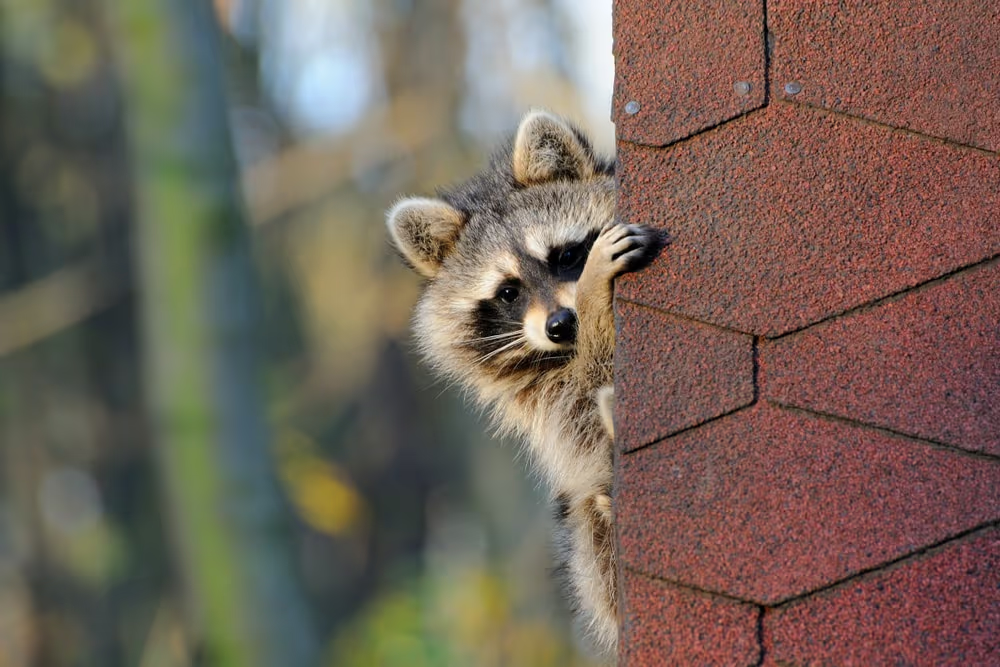
Raccoons or Squirrels in a Surrey Attic: What to Do First
Short answer: Write down what you hear and when, look from the ground rather than going into the attic, and call for an assessment before anything gets sealed. The sound can hint at the species, but it cannot confirm it, and the most important unknown is whether young animals are inside.
What the sounds can suggest
These are rough patterns, not a diagnosis.
| What you notice | May suggest |
|---|---|
| Light, quick scampering at dawn and dusk | Squirrels |
| Heavy thumping or dragging, mostly after dark | A raccoon, though other animals are possible |
| Chittering or high-pitched calls | Young animals, which makes timing critical |
| Scratching inside walls rather than overhead | Rats or mice, which need a different plan |
Rats and large squirrels can sound alike, and different animals can share a house. Do not rely on sound alone.
Safe evidence you can collect from outside
- Note the time, how long the noise lasts and where in the house it seems to be.
- From the ground, look at the soffit and fascia edges, roof vents, gable vents and the roofline near chimneys or dormers for bent, torn or gnawed material.
- Look for climbing routes, such as overhanging branches, a fence meeting the house, climbing vines or a downspout.
- Take photos from the ground. A short audio clip can help the assessor.
Do not climb into the attic. WildSafeBC notes that raccoons can become aggressive if cornered or handled, and that a high percentage of raccoons may carry a roundworm parasite whose eggs are shed in their feces and can infect people if ingested or inhaled. Leave cleanup of droppings to someone equipped for it.
Why young animals change everything
WildSafeBC says a female raccoon and her pups should not be removed from a nest site until the pups can forage on their own, about 12 weeks of age, because removing a mother from pups can leave them to starve. WildSafeBC also says a one-way door should not be installed while kits are not yet mobile. If kits are present, the plan usually means waiting, not an immediate seal. Sealing an entry hole before checking can trap animals inside.
What not to do
- Do not seal the entry before you know the attic is empty.
- Do not use poison. The animal can die inside the structure, and pets and other wildlife can be harmed.
- Do not trap and move animals yourself without finding out the rules, which depend on the species and circumstances. Ask the operator how they handle this. WildSafeBC asks that wildlife conflicts be reported to the BC Conservation Officer Service RAPP line at 1-877-952-7277.
- Do not rely on deterrent gadgets. WildSafeBC suggests a bright light or radio in or near the den site can encourage an unwanted raccoon to move out of an attic or chimney, but only use that once you are sure no young are inside. Ammonia and ultrasonic devices are not proven to work.
What an assessment should cover
A good assessment should answer these questions, and you can ask them on the phone:
- Which animal is it, and how do you know?
- Are there young present, and how will that affect the timing?
- Where are all the entry points, not just the first one?
- What damage, such as insulation, droppings or chewed wiring, needs repair, and who does that part?
- How will the animals be excluded without trapping them in, and what will you do about the climbing routes?
Pesticon's Surrey animal control page says the free inspection looks for how the animal is getting in, and that entry points are sealed where the repair is in scope. Larger repairs, such as a damaged roofline or soffit, are a job for a contractor. Ask on the phone how those steps would apply to your attic, especially if young may be present.
Prevention after the problem is solved
WildSafeBC advises sealing holes and potential entrances around the outside of the house and keeping garbage securely stored. It also helps to trim branches that touch or overhang the roof, remove climbing vines, repair rotted fascia and soffit, fit sturdy vent covers and check the roofline each spring and fall.
For an assessment in Surrey, see our animal control service in Surrey. Call (604) 229-1097 (8 AM to 8 PM, Monday to Sunday) or ask for a .
Free Pest Control Quote
A reply the same day, or within 24 hours if you call after hours.