
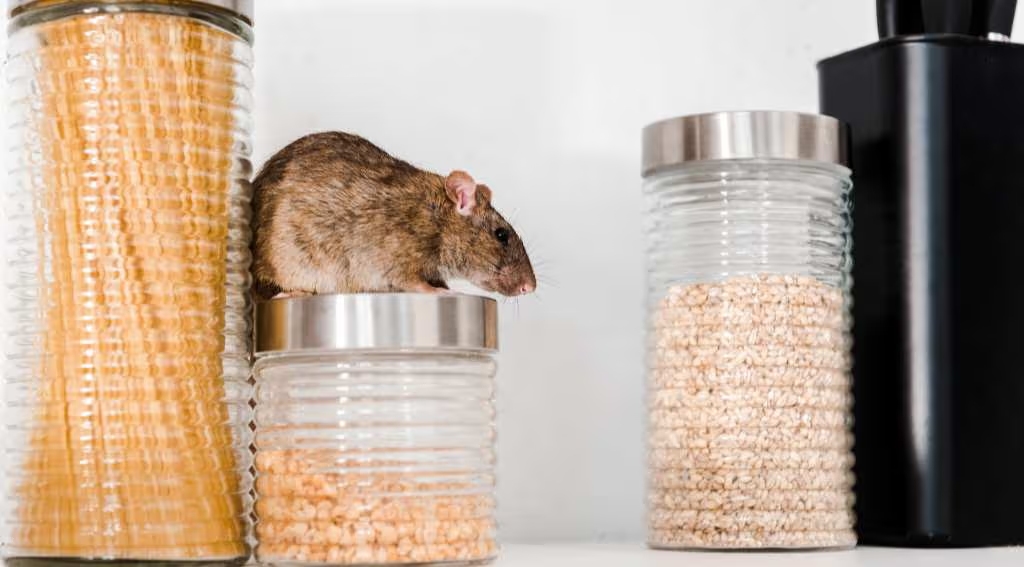
Rodent Evidence in Your Business: A Response Plan for Vancouver Managers
Short answer: When rodent evidence appears in a business, record it, protect food and stock, fix what staff can fix (waste, storage, clutter, small gaps), and bring in a pest control provider when the evidence is recurring, found in more than one place, or you cannot find the entry. Keep a dated log throughout, because it shows both you and the provider what is happening.
This guide is for managers and owners of restaurants, bakeries, shops, warehouses, offices and other commercial premises. It covers what to do after you find a sign, who handles what, and when a contracted program makes sense. It does not replace advice from your health authority if you hold a food premises permit.
Step 1: Record what you found
The City of Vancouver notes that rats and mice are typically more active at night, so the evidence is often what you find in the morning. Log every sign the same way, with a photo:
| Date and time found | Location (room, shelf, equipment) | What (droppings, gnawing, tracks, nest, sighting, noise) | Photo taken | Found by | Action taken, and who owns it | Escalated to, and follow-up date |
|---|---|---|---|---|---|---|
| Example: Tue 7:40 AM | Example: dry store, bottom shelf | Example: droppings and a gnawed flour sack | Example: yes | Example: opening cook | Example: stock set aside and logged; manager cleans and sets the sack aside | Example: provider called; check again in one week |
The signs to log, from the City of Vancouver's list, are droppings and urine stains, gnaw and chew marks, rub marks, runs and tracks, nests and burrows, and noises. HealthLink BC puts mouse droppings at about 6 mm and rat droppings at 13 to 19 mm; put a coin beside them for scale. Do not sweep or vacuum dry droppings. For clean-up, follow HealthLink BC File #37: ventilate an enclosed area for 30 minutes, wear a well-fitting filter mask, rubber gloves and goggles, pour disinfectant gently over the droppings, and bag the waste.
Step 2: Protect stock and food
- Check packaging and stock. Look for torn packaging, droppings on or near goods and chewed cartons. Set aside affected stock and record it (item, quantity, where it was). Treat the decision to discard or use any food as a food safety decision, not a pest decision, and follow your own food safety procedures.
- Store food off the floor in sealed, rodent-resistant containers (Health Canada recommends glass or metal for dry food).
- Do not leave food out overnight, including staff food and pet food.
Step 3: Know what food premises must do
If you operate food premises in BC, the Food Premises Regulation (B.C. Reg. 210/99) is clear that pests are the operator's responsibility: section 26 requires the operator to keep the premises free of pests and of conditions that let them shelter or breed, and to protect against their entry. Section 7 requires an operator to notify a health officer immediately of anything that may cause a health hazard. The regulation names rats and mice as pests. If you are unsure whether what you have found must be reported, contact your health authority; for the City of Vancouver, the city directs food businesses to Vancouver Coastal Health.
This applies to food premises only. For other premises, such as an office or a warehouse, no legal duty is stated here.
Step 4: Decide who does what
Rodent control is shared between staff, maintenance, the landlord and a provider. A simple table avoids gaps:
| Task | Usually handled by | Notes |
|---|---|---|
| Daily or weekly checks and the log | Named staff member | Same person, same route, so changes are noticed |
| Waste and bin management | Operations or cleaning | Bins with tight-fitting lids; waste removed on schedule |
| Food and stock storage | Kitchen or stock manager | Sealed containers, off the floor, rotated stock |
| Small gaps and door seals | Maintenance | Health Canada suggests metal weatherstripping on door bottoms and steel wool around pipes before caulking |
| Structural openings, roof and vent work | Landlord or contractor | A provider can identify them; repairs may belong to the property owner |
| Inspection, trapping, monitoring and written records | Pest control provider | Ask what records you will receive |
In a leased building, check your lease for who is responsible for the building shell, and tell your landlord in writing when you find evidence.
Step 5: Check the routine areas
Check these places on every walk-through:
- Waste and delivery areas. Dumpsters, bin lids, back doors left open during deliveries, and pallets stacked against walls.
- Storage. Dry goods, packaging, cardboard and any stock kept on the floor.
- Entry points. Door sweeps and thresholds, pipe and cable penetrations, vents, and gaps around the building. Mice can use a gap the size of a dime and rats one the size of a quarter (Health Canada); HealthLink BC advises sealing exterior openings larger than 6 mm (1/4 inch).
- Employee areas. Break rooms, lockers and staff food.
A daily and weekly checklist
Daily
- Walk the route and check for new droppings, gnaw marks or noises. Log and photograph.
- Check that bins are closed and waste areas are clear.
- Close and seal doors after deliveries.
- Store opened food in sealed containers.
Weekly
- Check stockrooms: shelves, pallets, cardboard and the edges of walls.
- Check door seals and any gaps that have appeared.
- Review the log with the manager. Is it the same place, the same type of sign, or growing?
- Check any traps or monitoring devices you or the provider have placed.
Bakeries and other flour or ingredient stores
Bakeries have food that rodents want in bulk, so the questions are about storage and routes:
- Are flour, sugar and grains in sealed, rodent-resistant bins rather than open or paper sacks? Check the bottom of the stack and the floor underneath.
- Are sacks and ingredient deliveries kept off the floor and away from walls?
- Are gaps where services (gas, water, drains) enter the building sealed, and are the back door and its threshold in good repair?
- Is spilled flour cleaned from corners and behind equipment daily?
- Are staff trained to report droppings, torn sacks or gnawing immediately?
When to bring in a provider
Ask for an inspection if:
- the log shows the same sign in the same place for more than a few days, or in more than one area
- you find droppings in stock rooms or food areas
- you cannot find where they are getting in
- a trap or your own measures have not stopped the signs
- you are a food business and the evidence raises a notification question
- the building is shared, so the source may be elsewhere
Bring the log and photographs. Useful questions for the provider are:
- What will be inspected, including entry points, and how will findings be reported in writing?
- Which devices will be used and where, and is anything placed where staff, customers or pets could reach it?
- How often will follow-up visits happen, and who is notified?
- Which repairs fall to us or the landlord, and which does the provider do?
- What records will we keep for the health authority, if we have one?
Pesticon's commercial pest control page explains how to ask for an assessment.
For the signs that indicate current activity, see signs of mice at home or work.
Free Pest Control Quote
A reply the same day, or within 24 hours if you call after hours.