
Why Pests Keep Coming Back and What to Check
Short answer: One sighting after a treatment does not mean it failed. Recurring activity in the same place does suggest that something is still feeding or sheltering the pests, or that they are getting in again. Record what you see, check for sources and entry points, and take the log back to whoever treated the space or to a new assessor.
Removing what you see is not the same as removing the source
A visible pest can be killed while the nest, egg cases or hiding places remain. Recurrence usually has one of three explanations:
- A source remains. A nest or harbourage in a wall, a drain, stored goods or a neighbouring unit.
- New ones keep arriving. Gaps, open doors, deliveries, or pests carried in on belongings.
- Conditions have not changed. Food, water or shelter that attracted them are still there.
Start a recurrence log
- Date
- Time
- Room and spot
- Pest and number
- Stage (adult, young)
- What changed
Photograph each find. A few weeks of notes show whether activity is fading, steady or growing.
Pest-specific examples
- Cockroaches. Young cockroaches (nymphs) appearing suggests breeding nearby. Ask the provider whether some activity is expected after the treatment you had.
- Mice. New droppings or gnawing after you have blocked one hole usually means another entry, or an animal still inside.
- Ants. A trail returning along the same route points to a nest nearby that has not been reached.
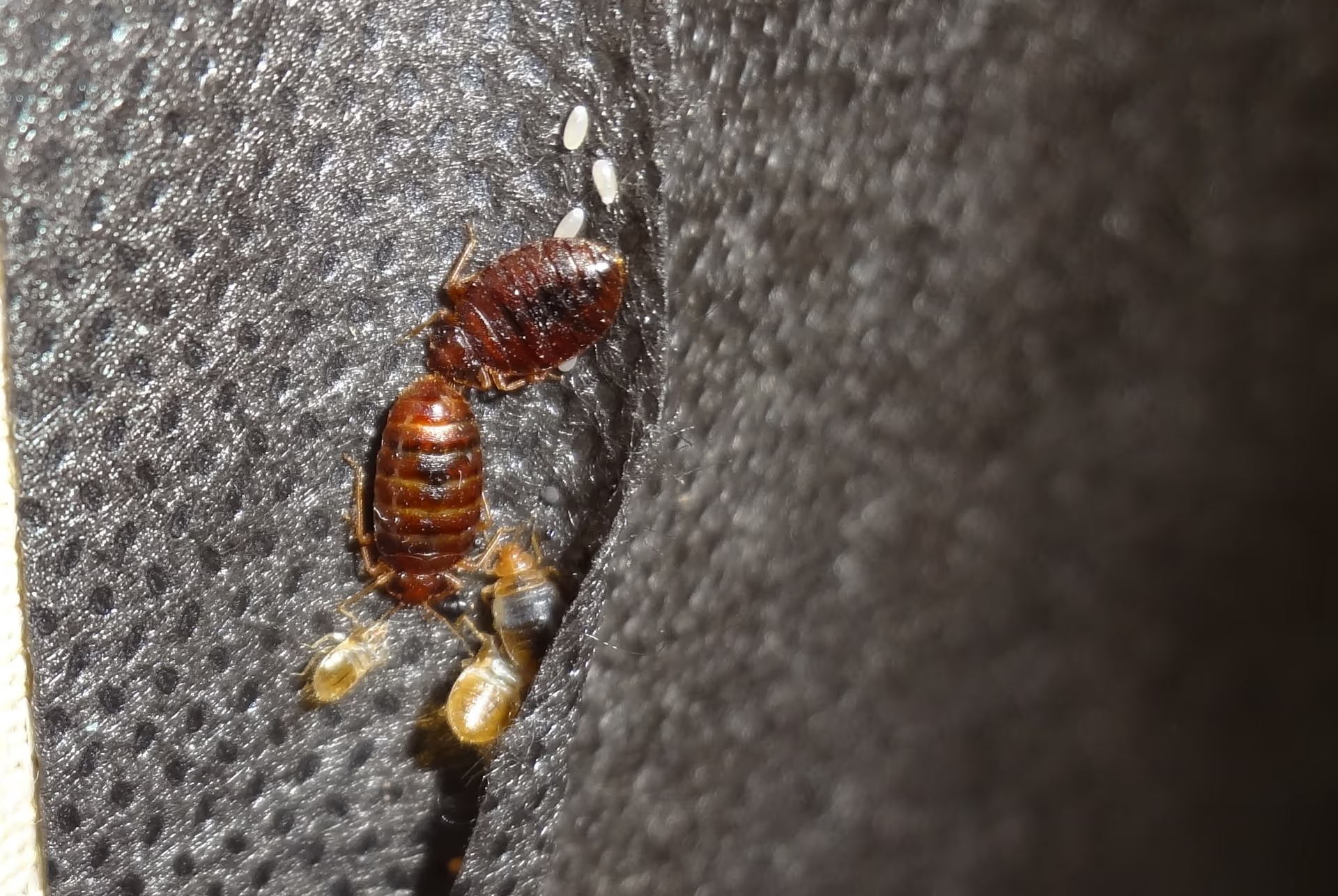
- Bed bugs. New bites or spots after treatment can mean surviving insects, items brought back in, or a neighbouring source.
- Wasps. New activity in the same place can mean a second nest nearby.
These are patterns, not diagnoses.
Check these before calling
- What exactly was done, and when?
- Were the written instructions followed, including cleaning and preparation?
- Were follow-up visits supposed to happen, and did they?
- Is food, water or clutter still available to the pests?
- Are there gaps, damaged screens or open doors?
- Do neighbours or other units have the same pest?
Questions to ask about timing and aftercare
- How long should activity continue after this treatment?
- What counts as normal, and what counts as a problem?
- Is a follow-up visit included?
- What should I not do while the treatment works?
If a previous provider treated the property
Go back to them first. Send the log and photos, and ask what they will do. Many treatments include follow-up, and the provider knows what was used. If you do not get a clear answer, or if the problem is not what they thought, get a second assessment.
If you did it yourself
Identify the pest before trying another product. A wrong product, repeated, adds exposure without a benefit. Our pest control services start with identification. Call (604) 229-1097 (8 AM to 8 PM, Monday to Sunday) or ask for a .
Free Pest Control Quote
A reply the same day, or within 24 hours if you call after hours.